
Film Digitizing and Scanning Services

Prices Vary

Film Scanning and Film Digital Capture Services | Madison, Wisconsin | JasonHouge.com

Digital Files from Analog Photographic Transparencies, Negatives, Glass Plates and Metal.

High Resolution Digital Capture and Scanning of Negatives, Slides, Family and Historic Photos.

Digital Capture and Scanning Services for Film and Historic Alt Processes

High fidelity print quality digital images from analog photographs made on film, glass and metal.

Please Note: We No Longer Develop Film.

OUTPUT
File Types: DNG or TIFF and web-sized JPG
Color Profiles: Adobe RGB or Gamma 2.2 (.tif); sRGB (.jpg)
Color Bit Depth: 16 bit (.tif); 8 bit (.jpg)


Out of stock

Description

Digital Capture and Scanning Services

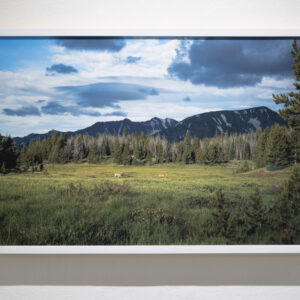
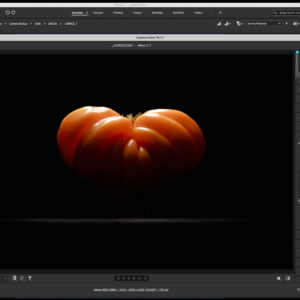
Our digitizing process creates high resolution, high fidelity digital images from traditional film negatives, slides and historic alt processes. Digital Capture, also known as camera scanning, offers instant capture and incredible clarity within our color calibrated workflow. Scanning is slower but in some cases can offer greater error correction for lightly damaged and scratched negatives.

Hit the Get Started button and we will work with you to determine the most appropriate options for your project and budget.

Digital Capture Pricing

SERVICEPRICE / Unit
Digital Capture
Digital Capture: Hourly$300 / hr

Film Scan Pricing
FILM SIZEPRICE
ScanningStandardFluid Mount
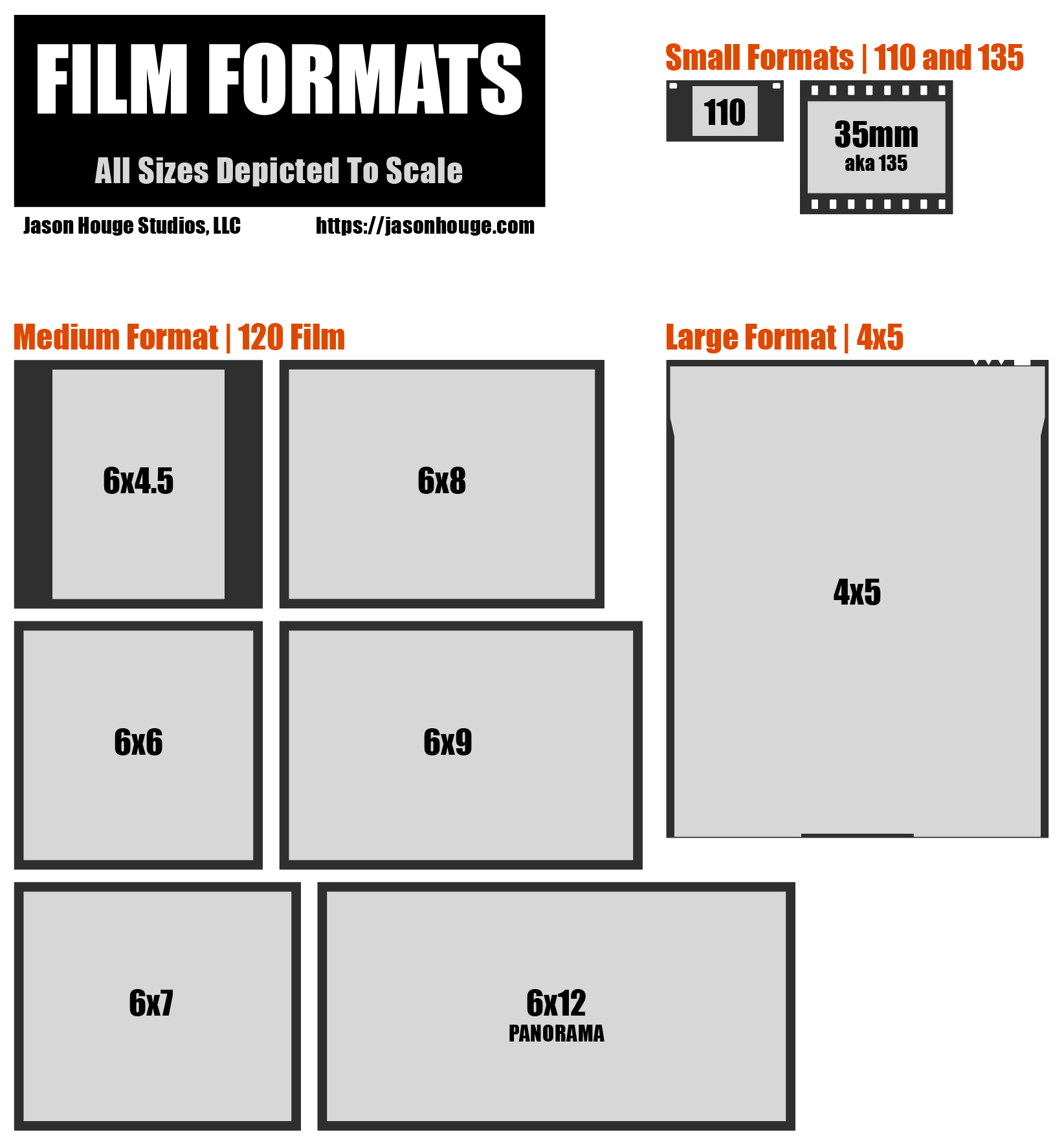
110 Film (16mm): Standard$5 / image$10 / image
35mm Film: Standard$20 / image$40 / image
35mm Slide (Mounted): Standard$20 / imageN/A
120 / 220 / 620 Film: Standard$45 / image$65 / image
120 / 220 / 620 Slide (Mounted): Standard$45 / imageN/A
120 / 220 / 620 Film (Panorama): StandardContact UsContact Us
4x5, 5x7, 8x10 / Glass Plate / Magic Lantern / Tin TypeContact Us


How fluid mounting helps both Digital Capture and Scans

Old negatives have often lived a hard life. Commonly their care was not considered, evident if you’ve found them in the bottom of Grandma Edith’s shoebox of old photos at the back of her closet. A film negative is delicate and either side can easily be damaged by simply rubbing together. Protecting negatives in glassine or poly sleeves is vital for their longevity.

Fluid Mounting helps by filling small scratches, allowing light to pass directly through rather than refracting off the micro edges in a scratch. The fluid also overcomes the curl negatives have, holding them flat against the glass. Both create optimal conditions for the cleanest image.

There are risks involved in fluid scanning; including potential harm to an already fragile negative. Damage may occur during the prepping stage, by the fluid itself or by the solvents used to clean the fluid off. Additionally, there are risks to the health of the technician and the environment.

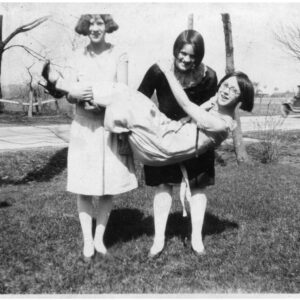
The negative shown here has small scratches across its surface. Below a tight detail near the girl’s face depicts what occurs when scanning fluid is used and when it’s not. Scratches may not be viewable on all devices.

Standard Film Scan - Detail | Jason Houge Studios, LLC
Standard Film Scan - Detail
Standard Film Scan - Detail | Jason Houge Studios, LLC
 
Standard Film Scan - Detail | Jason Houge Studios, LLC
Standard Film Scan - Detail
Fluid Mount Scan - Detail | Jason Houge Studios, LLC
Fluid Mount Scan - Detail
previous arrow
next arrow


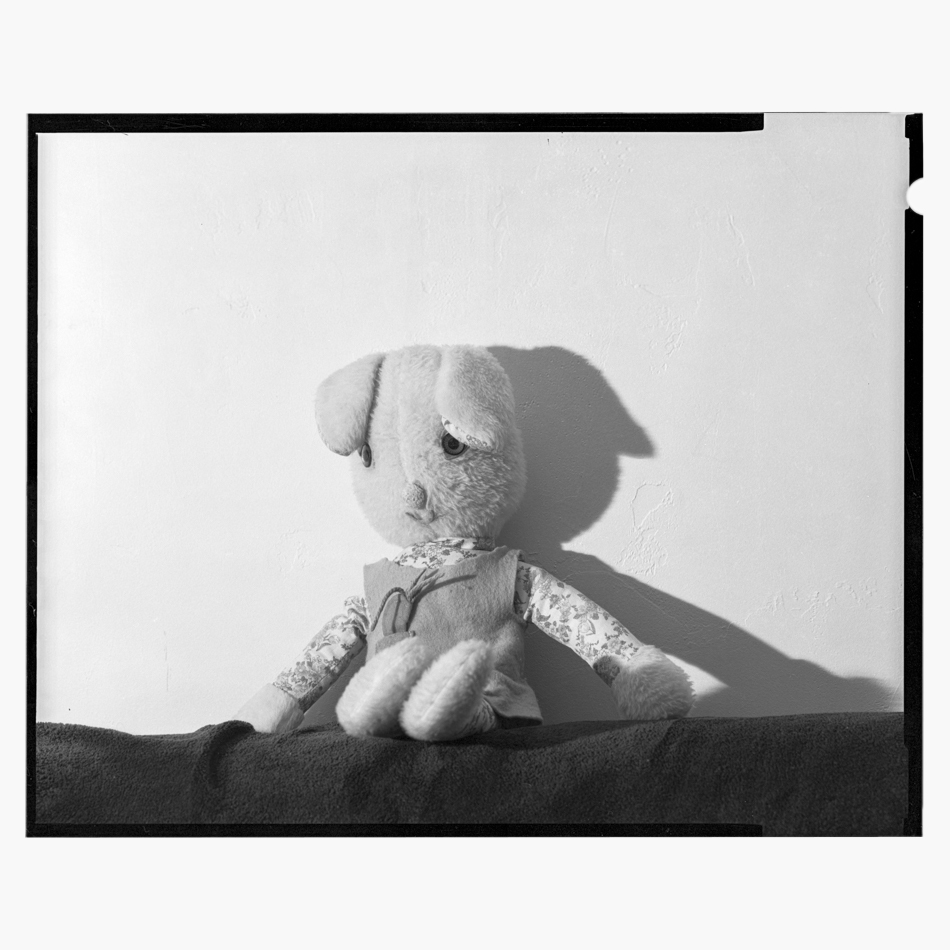
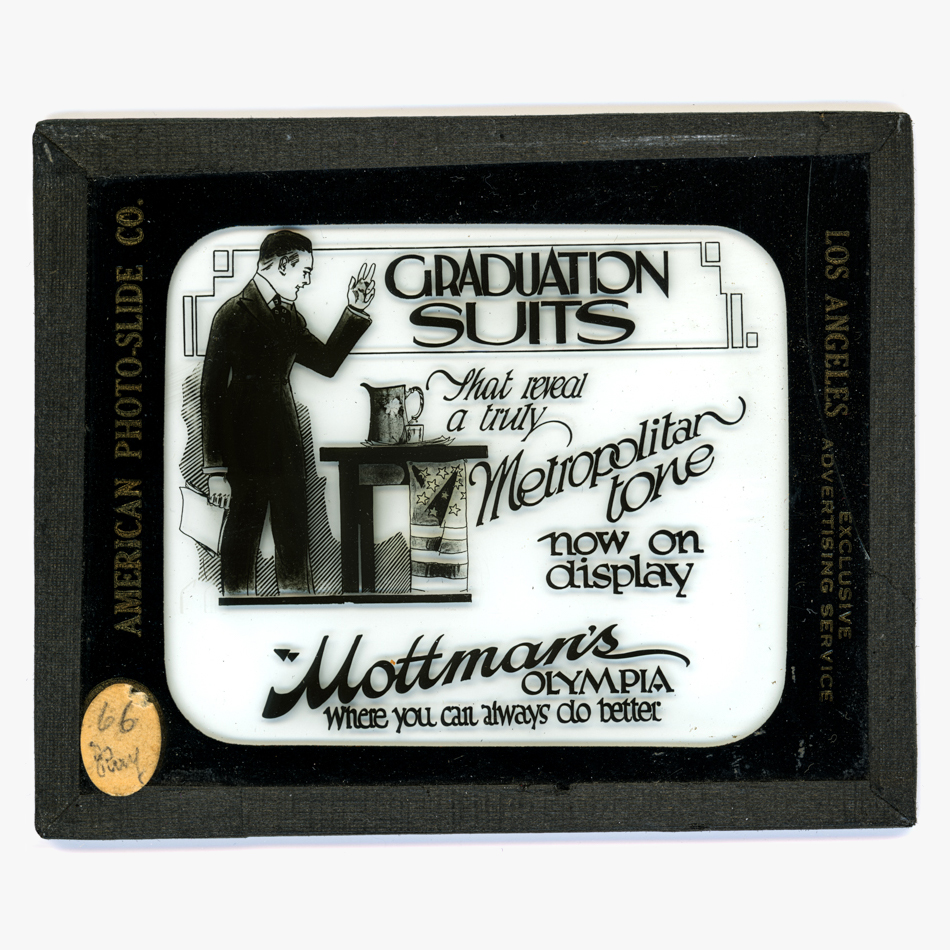
Examples: Film Scanning and Digitizing

Click on a picture to see a larger version and more information


Digital Capture vs Scanning: Pros and Cons

Digital Capture or Scanning, what is the difference?

Digital Capture

Pros:

  • Least expensive
  • Fast and reliable with excellent resolution
    • Digital Capture images are higher than scanner in most cases
    • Excellent print quality up to 40×60 inches
  • RAW File type available for post-process editing
  • Greatest dynamic range and image latitude
    • Able to pull an image from the densest negatives
  • Superior clarity
    • Truly able to focus on emulsion surface
    • We employ the latest lens technologies for industry leading clarity
  • Greatest flexibility and capabilities
    • Excellent for any media types
    • Unlimited by scale, dimension or condition
    • Able to include sprocket holes and full frames
    • Able to digitize uncut rolls of film
    • Able to digitize cut film1 see cons
    • Non-Newtonian glass mounts eliminate [Newton rings]
    • Superior color calibration
    • Greatest available tonal and color range
    • Excellent for all types of media
      • Unlimited by scale, dimension or condition
    • Can be used with Fluid Mounting to reduce scratches2 see Fluid Mount cons

    Cons:

    • No automatic image reversal
      • Orange masking in color negatives must be compensated for manually
      • RAW editor curves are inverted
    • File resolution cannot be saved above 999ppi/dpi
      • Limitation of the software
    • Excellent for any media types
      • 1Cut film slows process, generating higher costs
    Standard Film Scanning

    Pros:

    • Excellent resolution
    • Great for most films types
    • Best option in specific cases
    • Great for Polaroid and Instax prints and Glass Plate Negatives
    • Non-Newtonian glass mounts eliminate [Newton rings]

    Cons:

    • Expensive
    • Aging and limited technology
    • Slow process with limited output options
      • File type restricted to TIFF
    • Limited dynamic range
      • Difficult or impossible to scan dense images
    • Limited scanning area
      • Limited by scanner dimensions
      • Unable to include sprocket holes
      • Unable to scan uncut rolls of film
    • Not ideal for film with scratches or blemishes
    Fluid Mount Film Scanning

    Pros:

    • Excellent resolution
    • Exceptional for sheet films
    • Greater scanning area3 See Cons:
      • Able to include sprocket holes
    • Cleaner appearing scan:
      • Reduces or eliminates most scratches and blemishes
    • Films lays truly flat
    • Non-Newtonian glass mounts eliminate [Newton rings]

    Cons:

    • Most Expensive
    • Greater risks:
      • Risk to delicate and unknown film types
      • Health risks to the technician
      • Environmental hazards
    • 2,3Limited by scanner dimensions
      • Unable to scan uncut rolls of film
    • Limited use cases. Cannot be used with:
      • Paper negatives, Instax or Polaroid images
      • Mounted slides
      • Magic Lantern slides or similarly sandwiched glass slides

    FAQs

    What is your turnaround time?

    Depends on the complexity of the project and our current workload. In many cases we are able to have your images ready within a few days to a week.

    Do you color correct, white balance, dust correct scans?

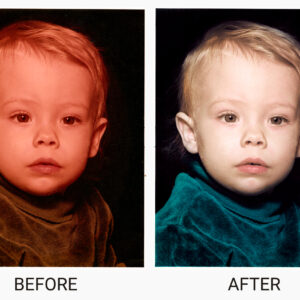
    Yes. We correct the color and tone based on what should be natural for the photo. Our system is color controlled from start to finish to give us optimal results.

    If you prefer to conduct your own tonal and color corrections, please indicate this when contacting us.

    Can you print my scans?

    Yes! Check out our Photo Printing Services to find out more, or click on the Get Started button above!

    Do you scan artwork / documents / works on paper?

    Yes. Check our Documentation and Digital Capture Services for more, or click on the Get Started button above!

    Can I have you scan all my film?

    Yes. For most large quantity projects we’ll use Digital Capture. For very sensitive archives requiring attention to damage, we may also use scanning. We reserve our a la carté service for these scenarios. Be sure to mention any special attention needs when contacting us.

    My old film says Safety Film, what is this?

    Safety Film replaced an earlier film substrate called Nitrocellulose (Nitrate) Film. Nitrate film degrades with time and as it does it produces highly flammable gasses that spontaneously combust. The words “Safety Film” indicates this film was produced after Nitrate was discontinued and is safe for long-term storage and handling (1951 and later).

    Healthy Nitrate Films should be digitized sooner, rather than later, because they degrade naturally and often disastrously.

    Most films older than 1950 are on a Nitrate substrate and can be very dangerous. If you have film or negatives of this vintage, here are some articles to understand their conditioning and long term hazards.
    Science + Media Museum: Handling and Understanding Nitrate Film
    Kodak: Storage, Handling and Disposal of Nitrate Film
    National Park Service: Care of Nitrate Films
    Canadian Government: Conservation and Care of Film (incl. Nitrate Film)
    Cultural Heritage Org: Nitrate Film

    More Reading:
    Wikipedia: Nitrocellulose Material
    Wikipedia: Film Base


    Please view our agreement regarding the shipping, handling, processing and possession of your Media. Additionally our Terms and Conditions may be found here. Terms and Conditions and Handling of Media Agreement is subject to change without notice.


    You may also like…