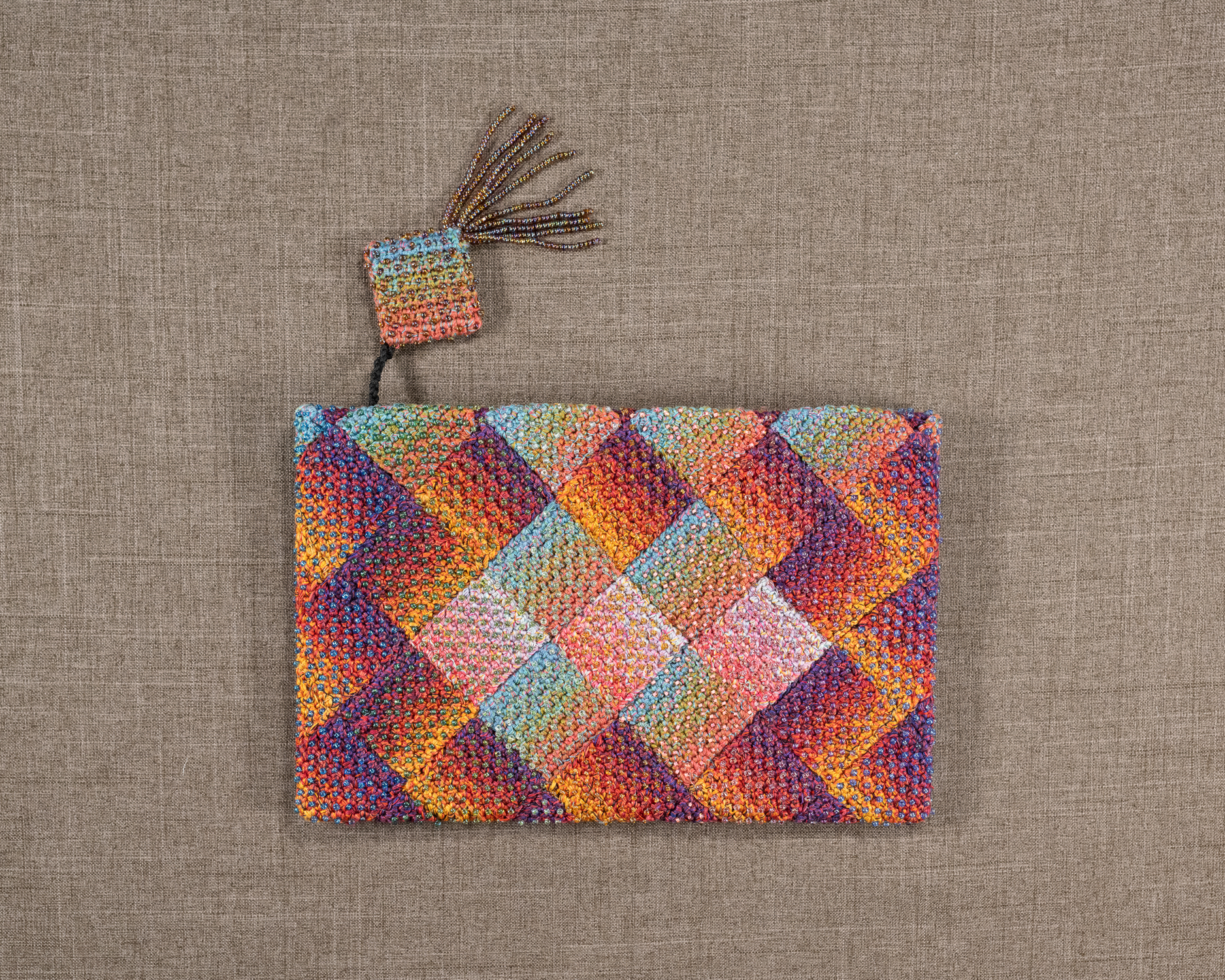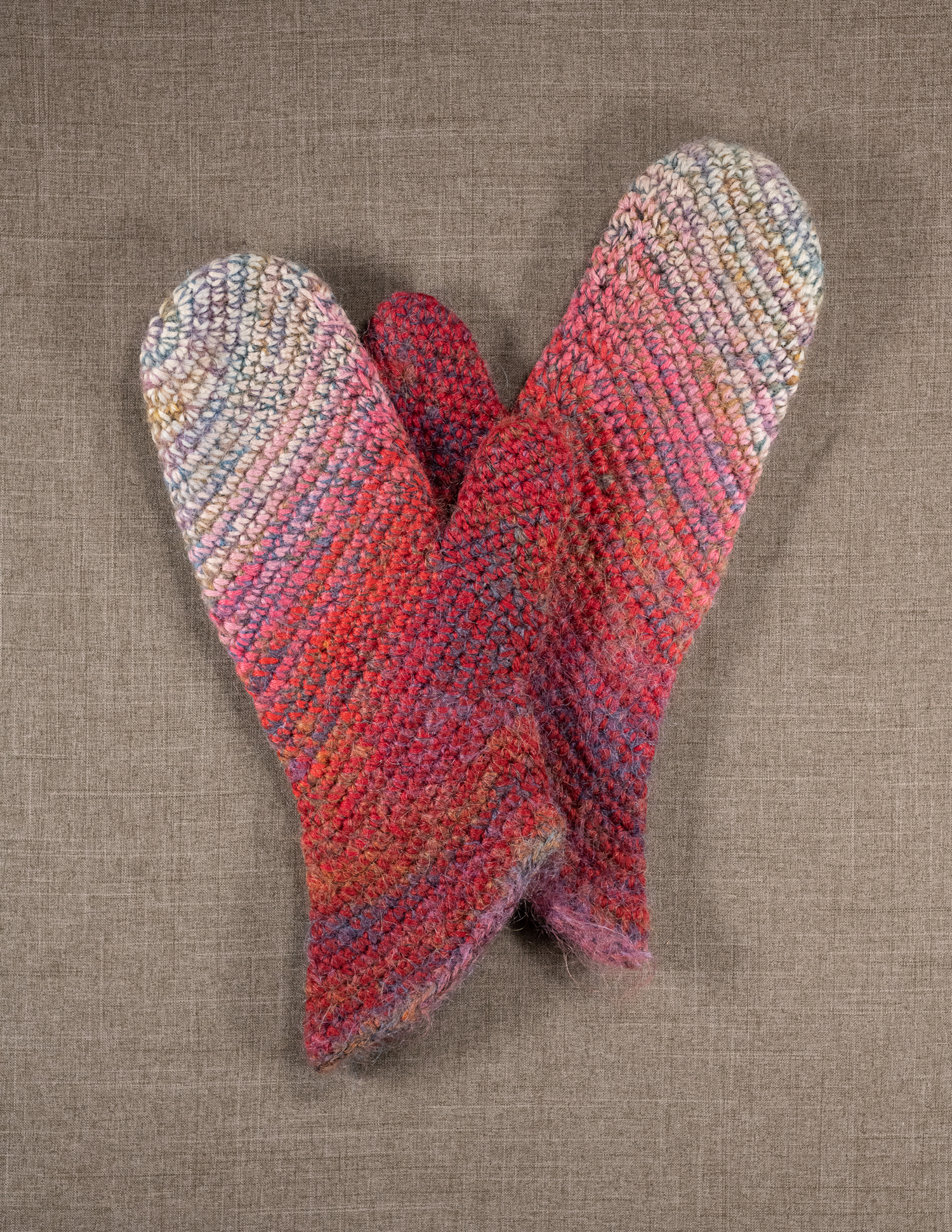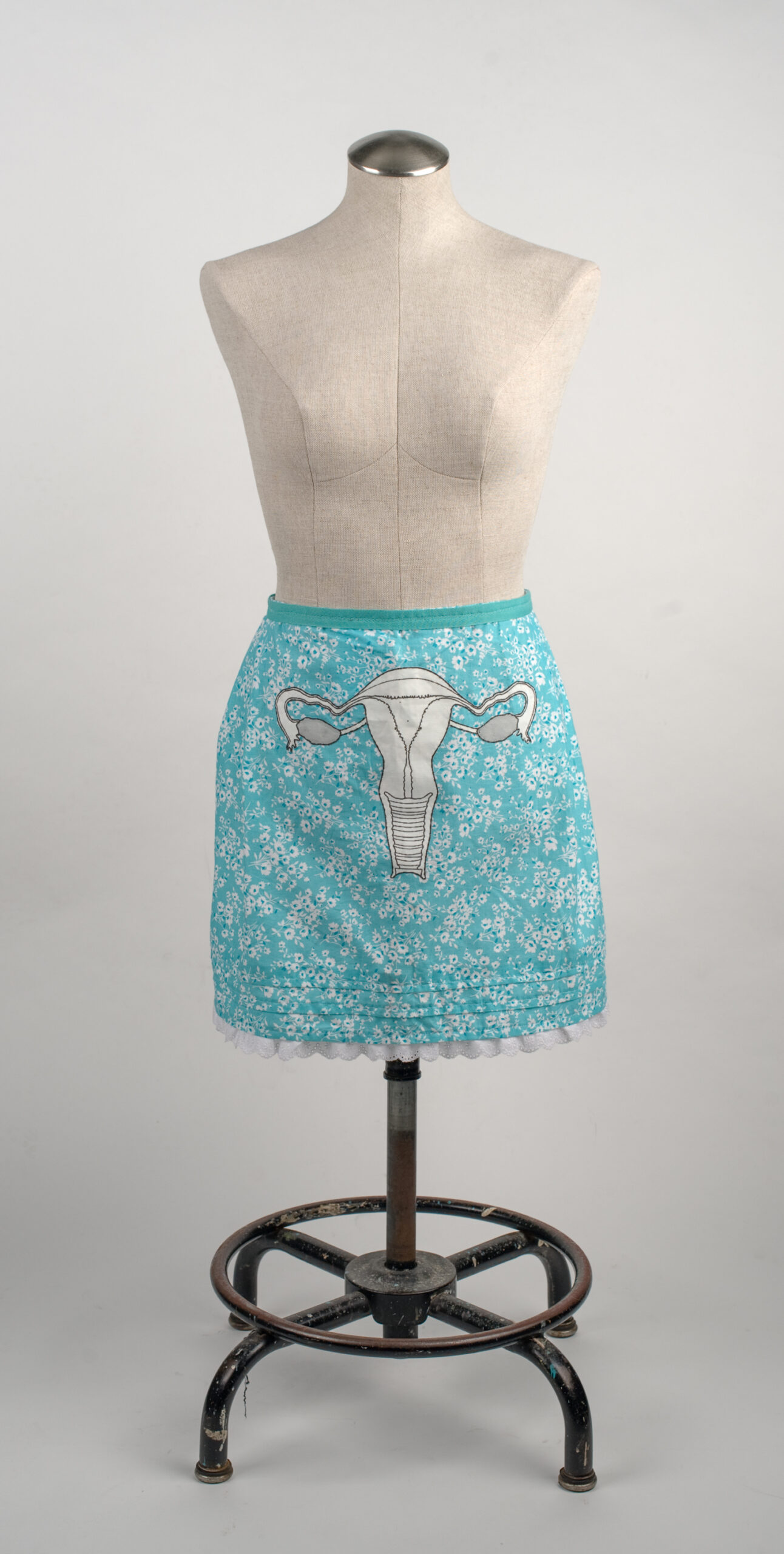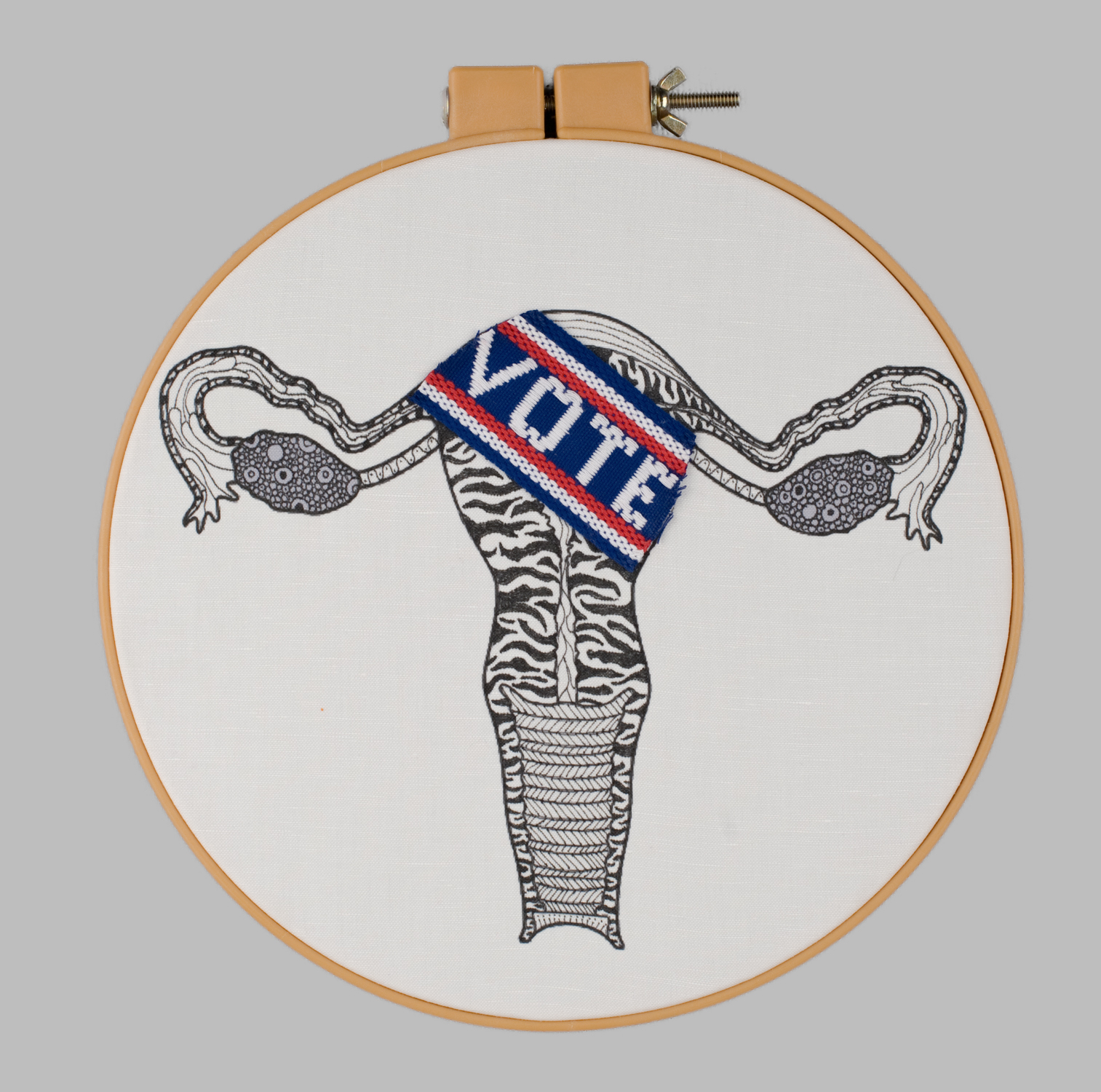
3D Art and Sculptural Art Documentation

$300.00 per Hour

Public Art and Sculptural Art Documentation Photography in the Midwest

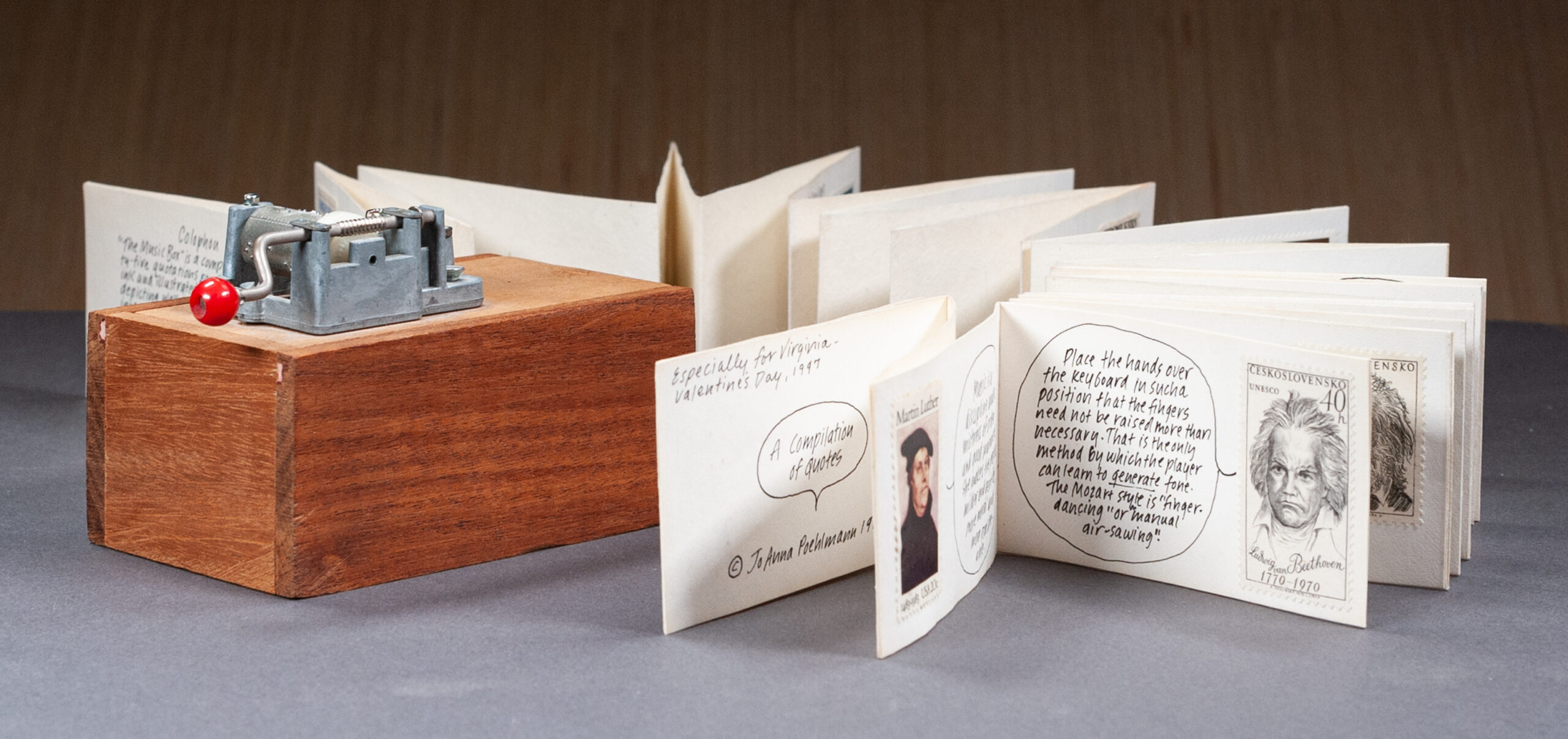
Specialized Documentation of Book Arts, Sculpture and Dimensional Art, Jason Houge Studios, LLC

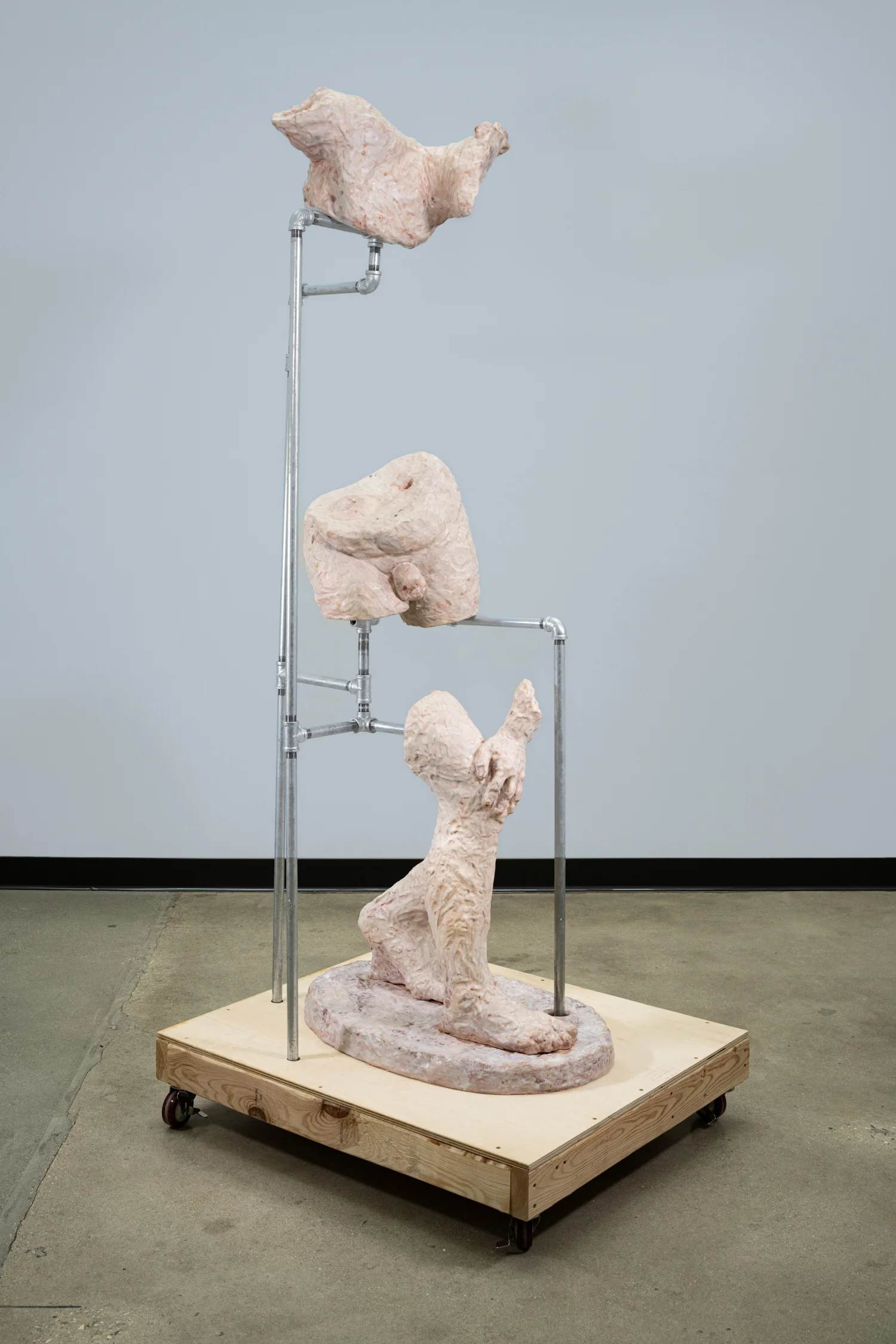
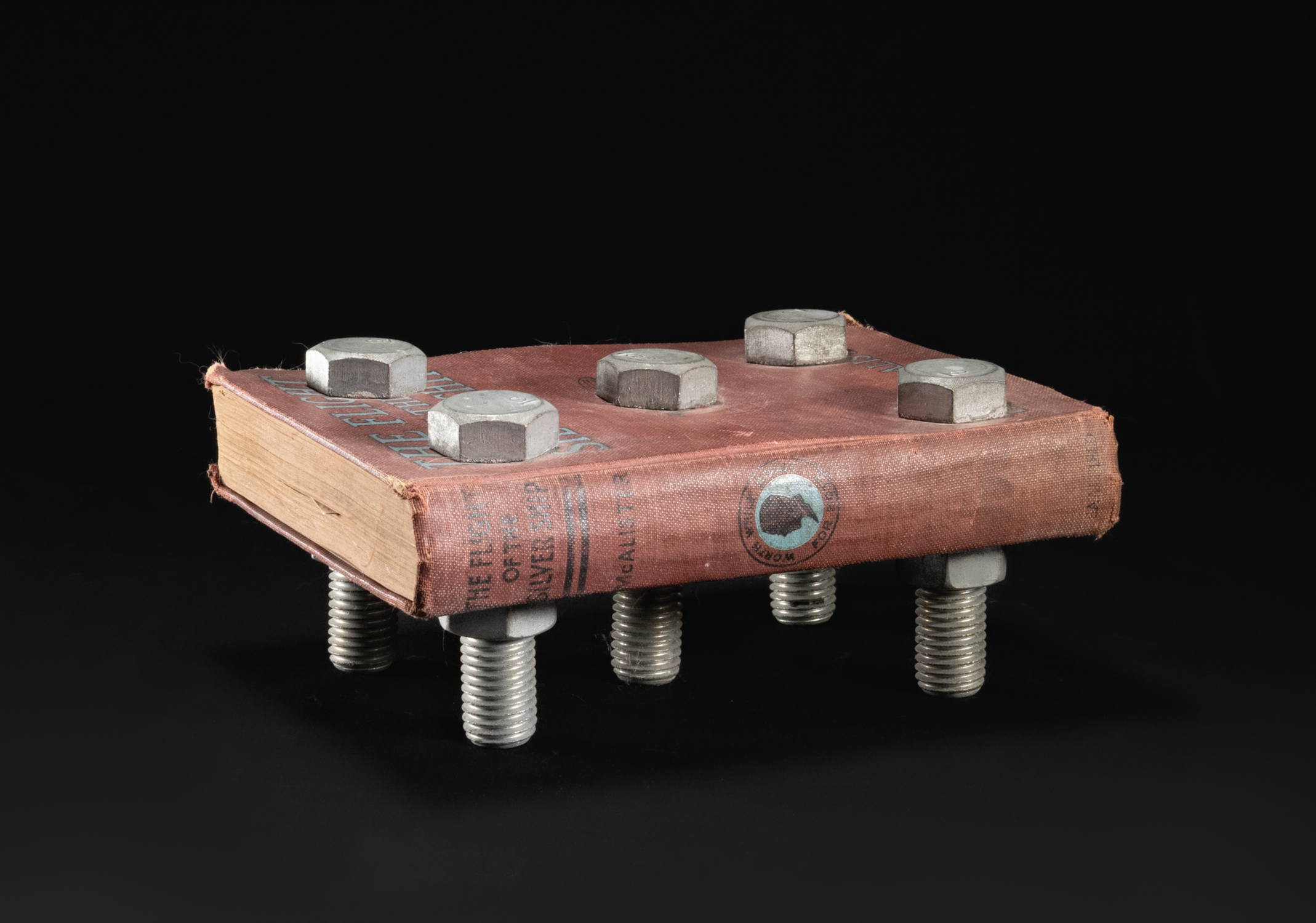
Photo Documentation for Sculptural and Dimensional Works of Art

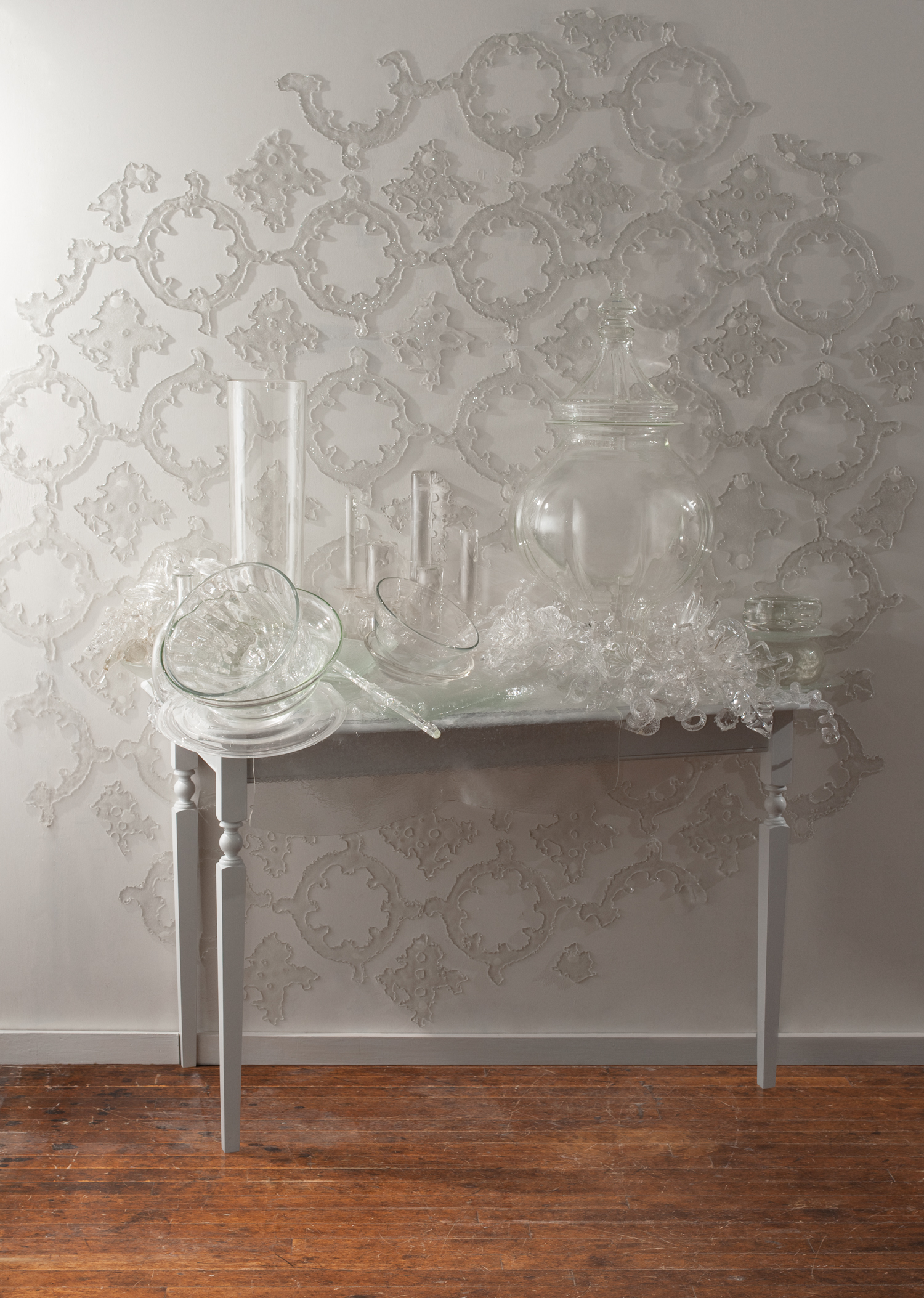
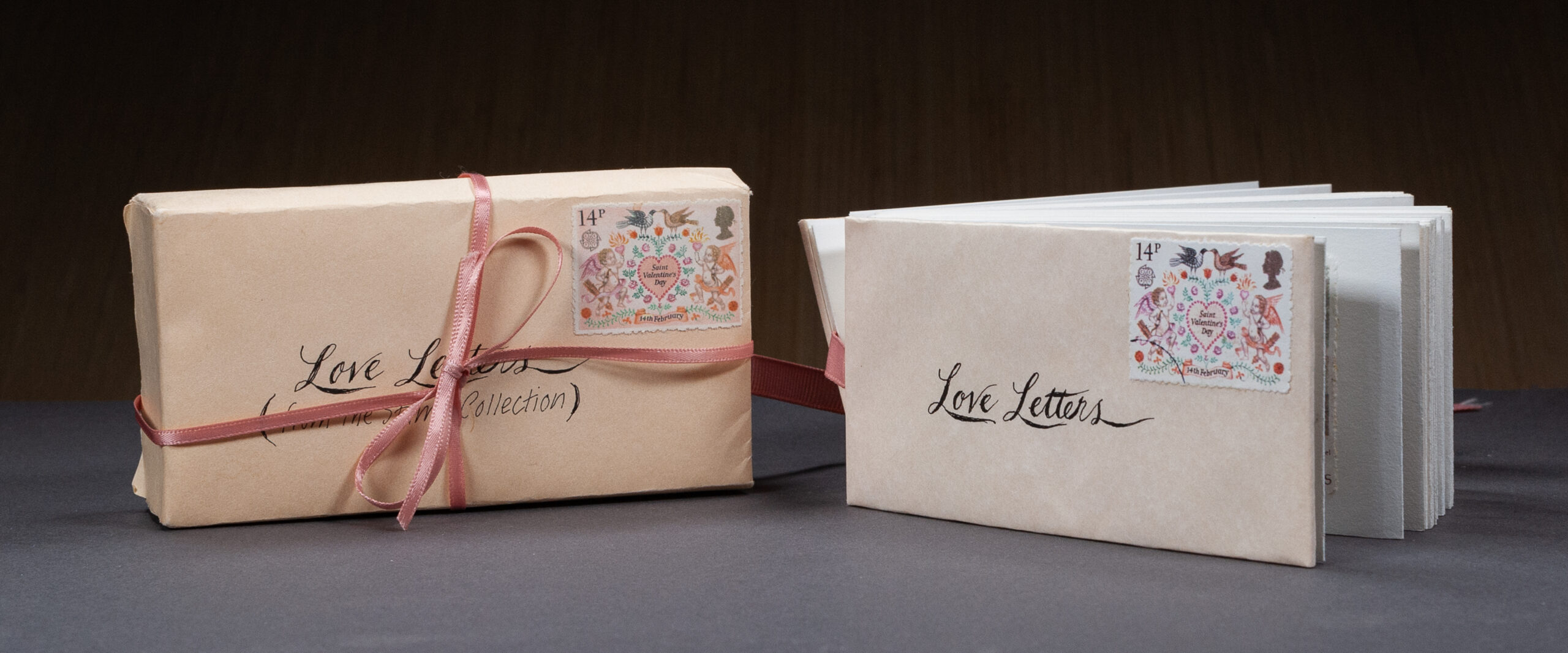
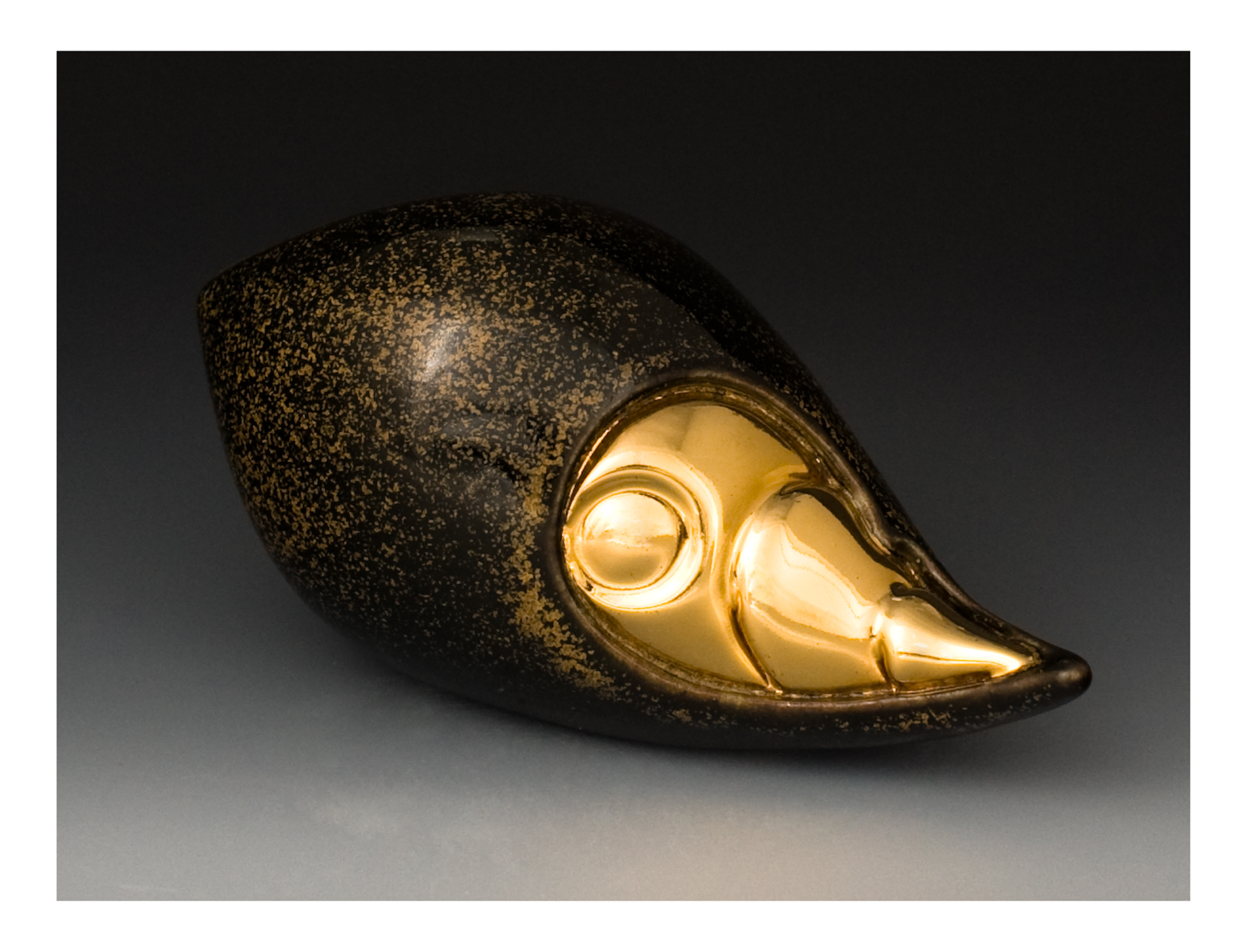
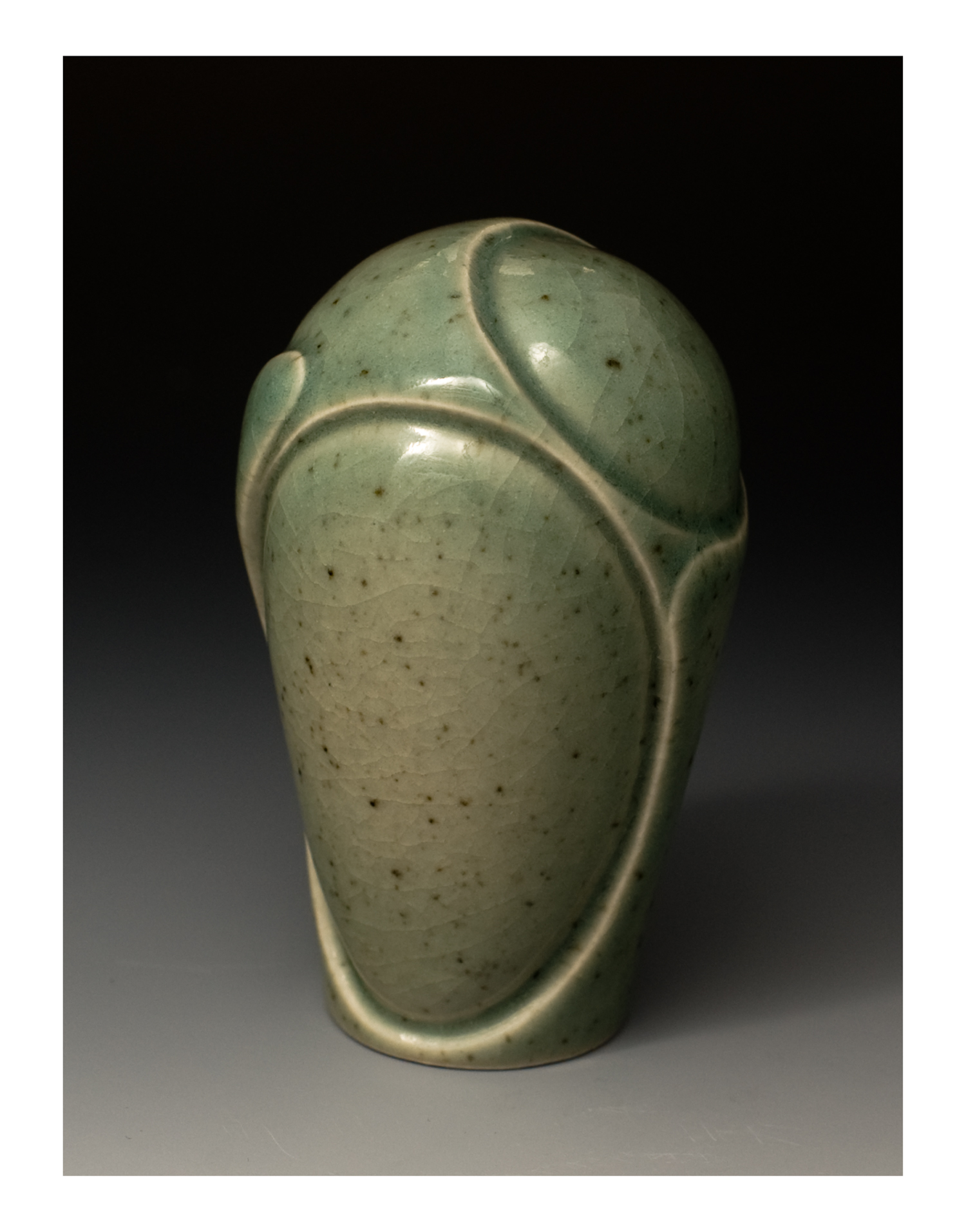
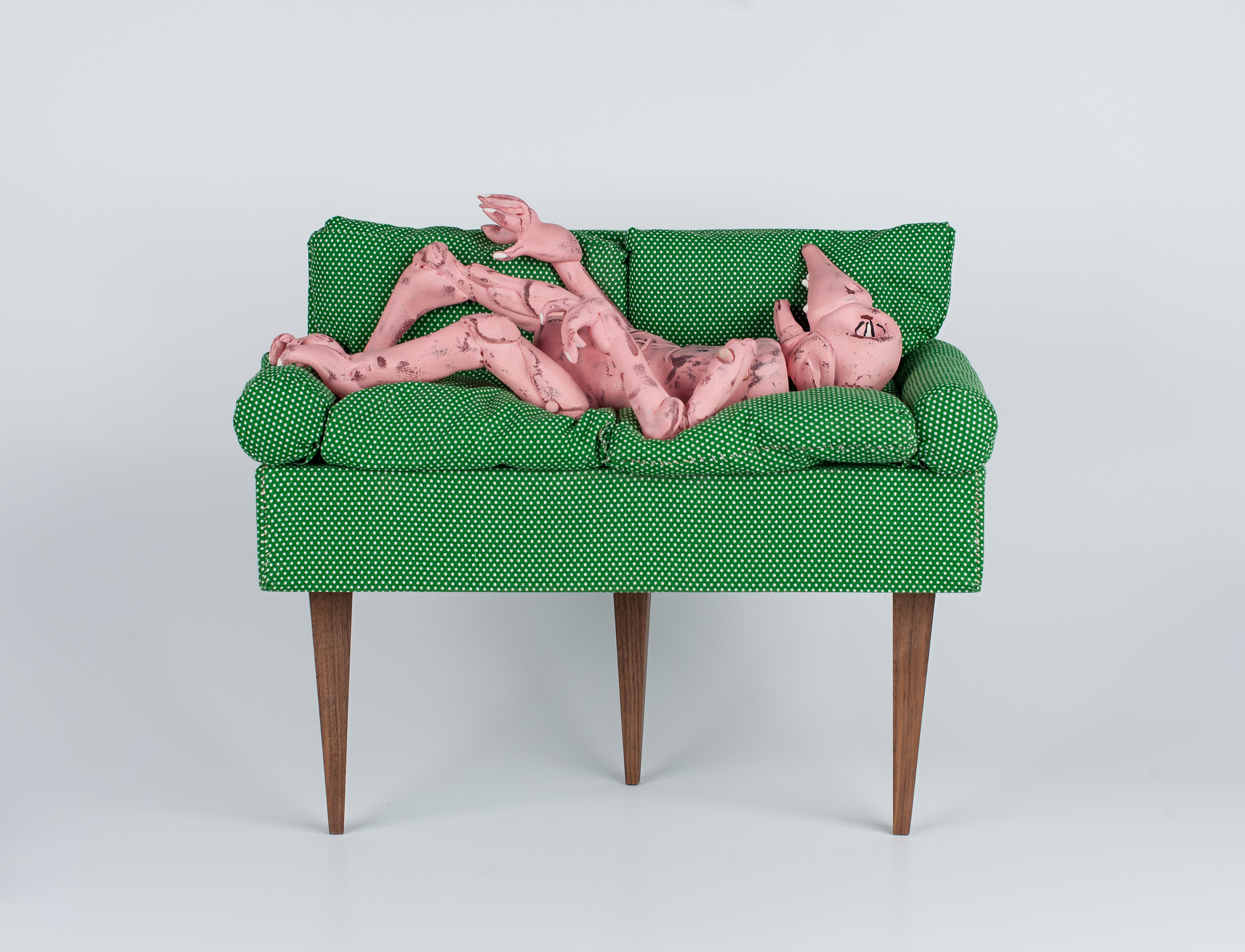
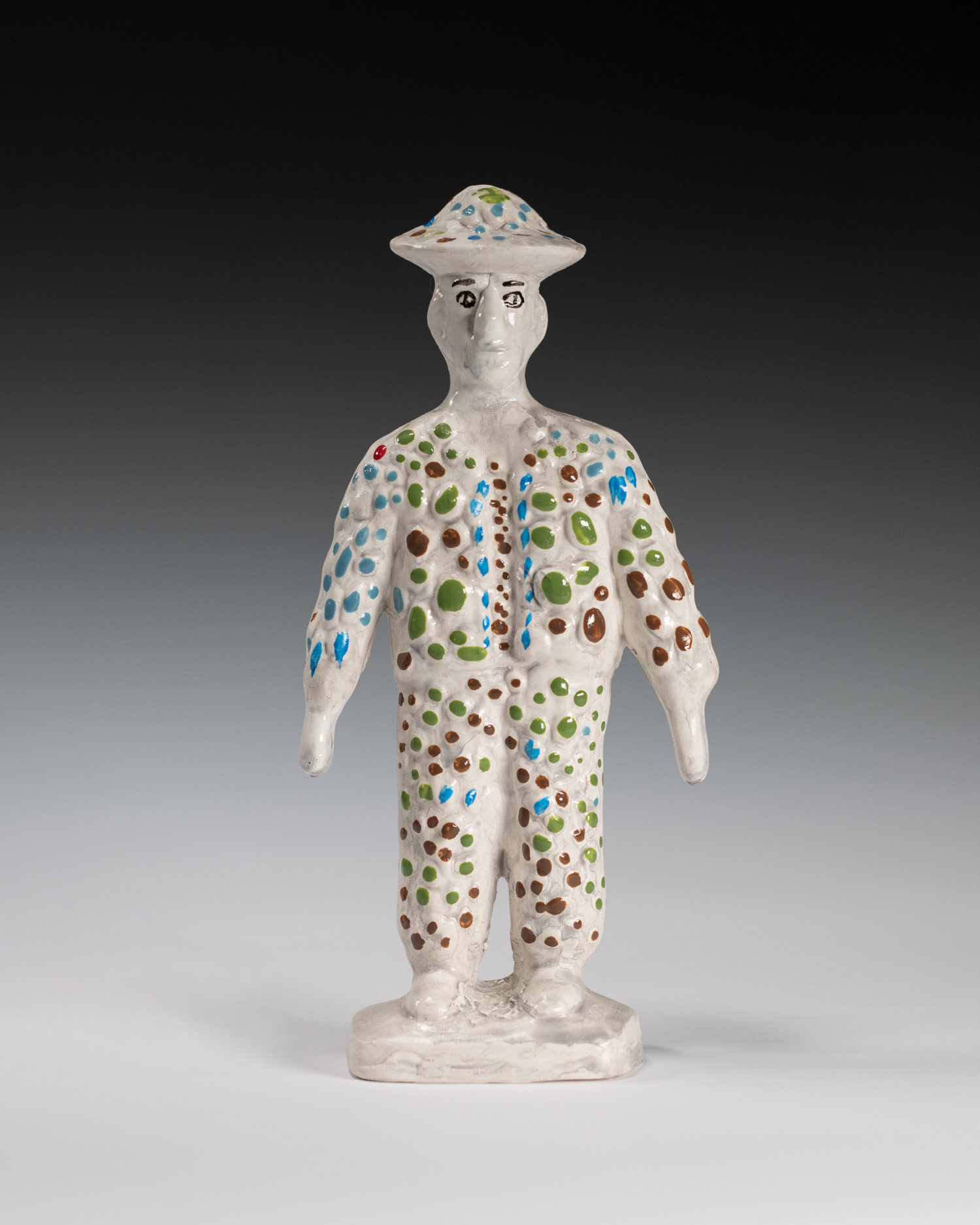
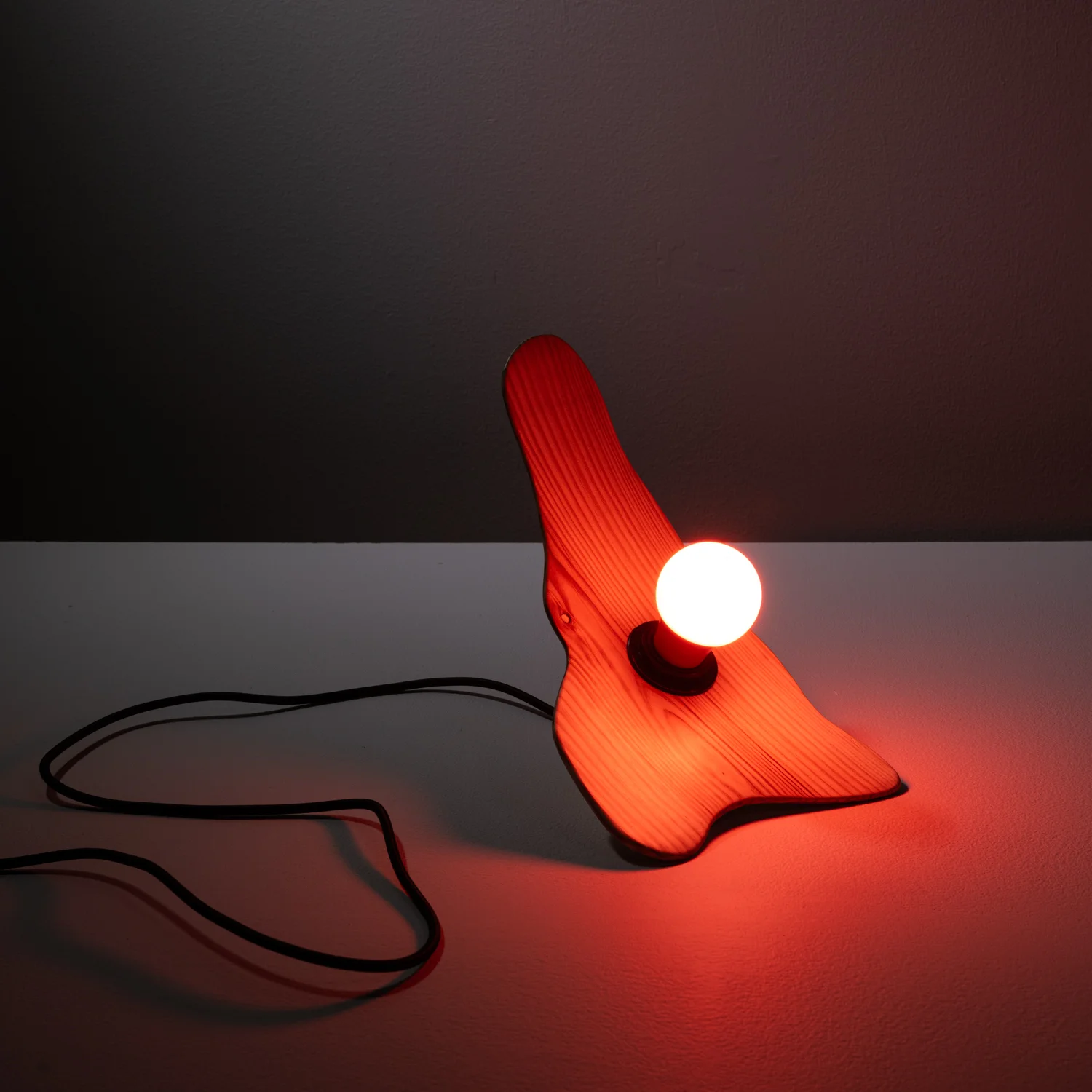
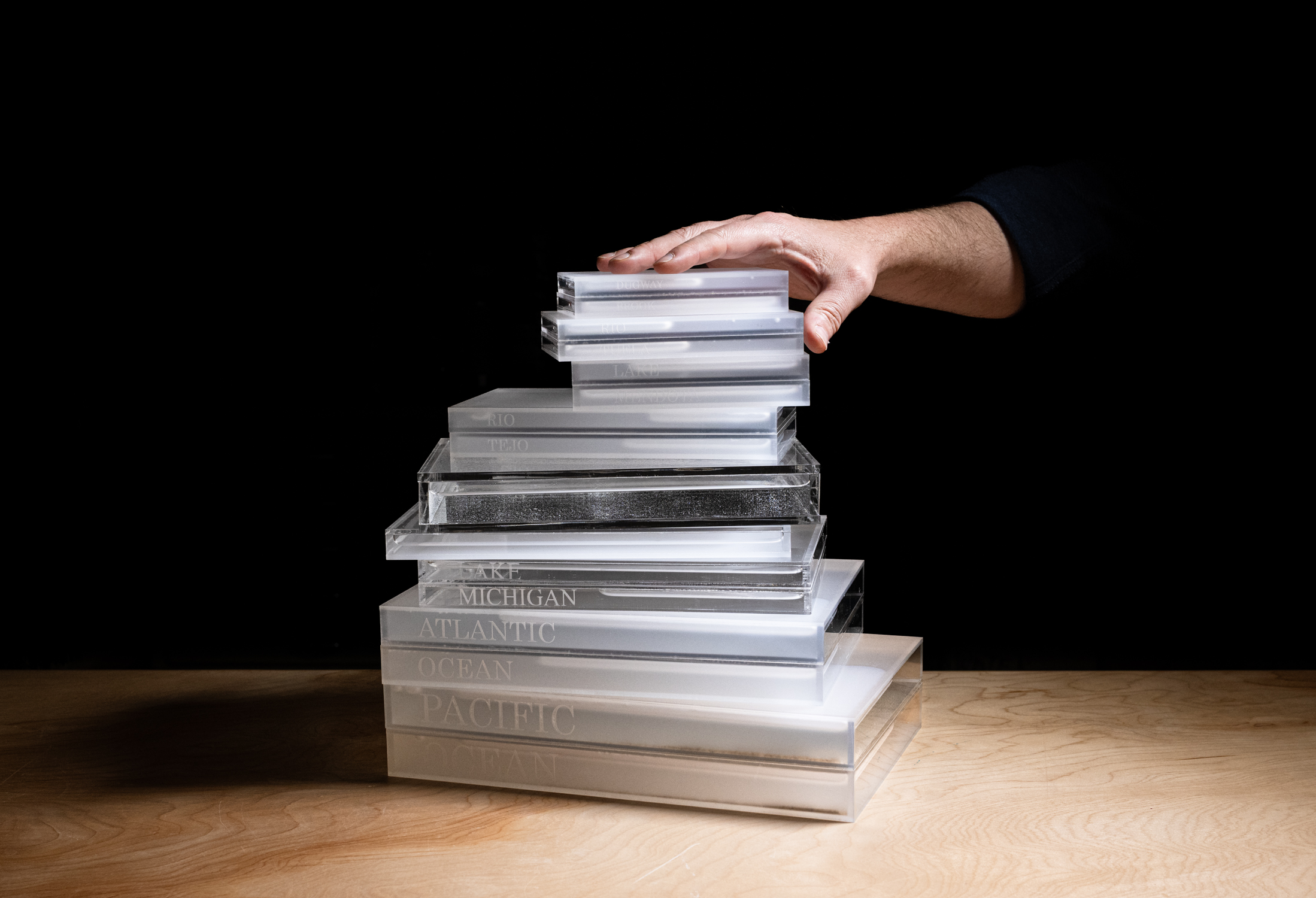
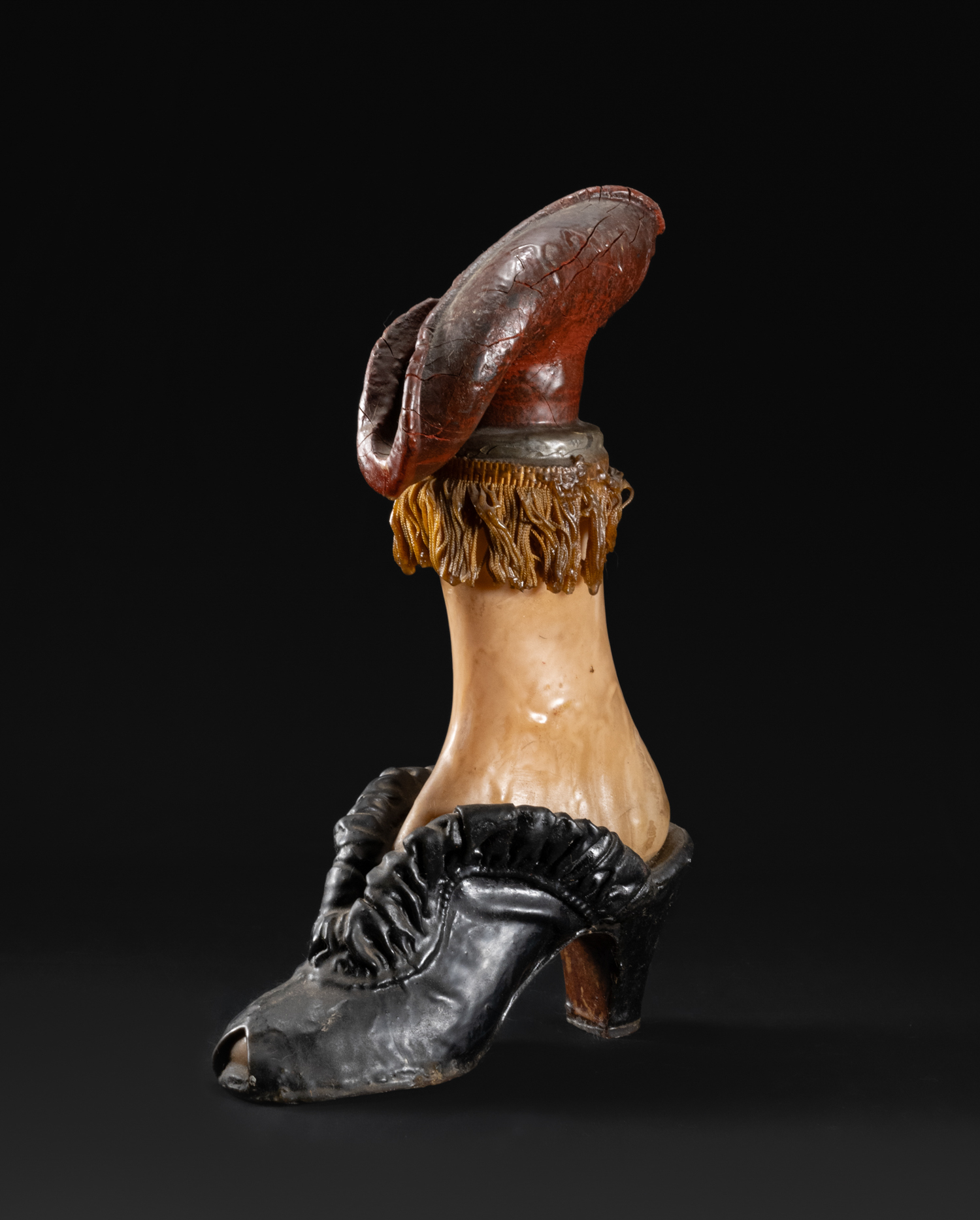
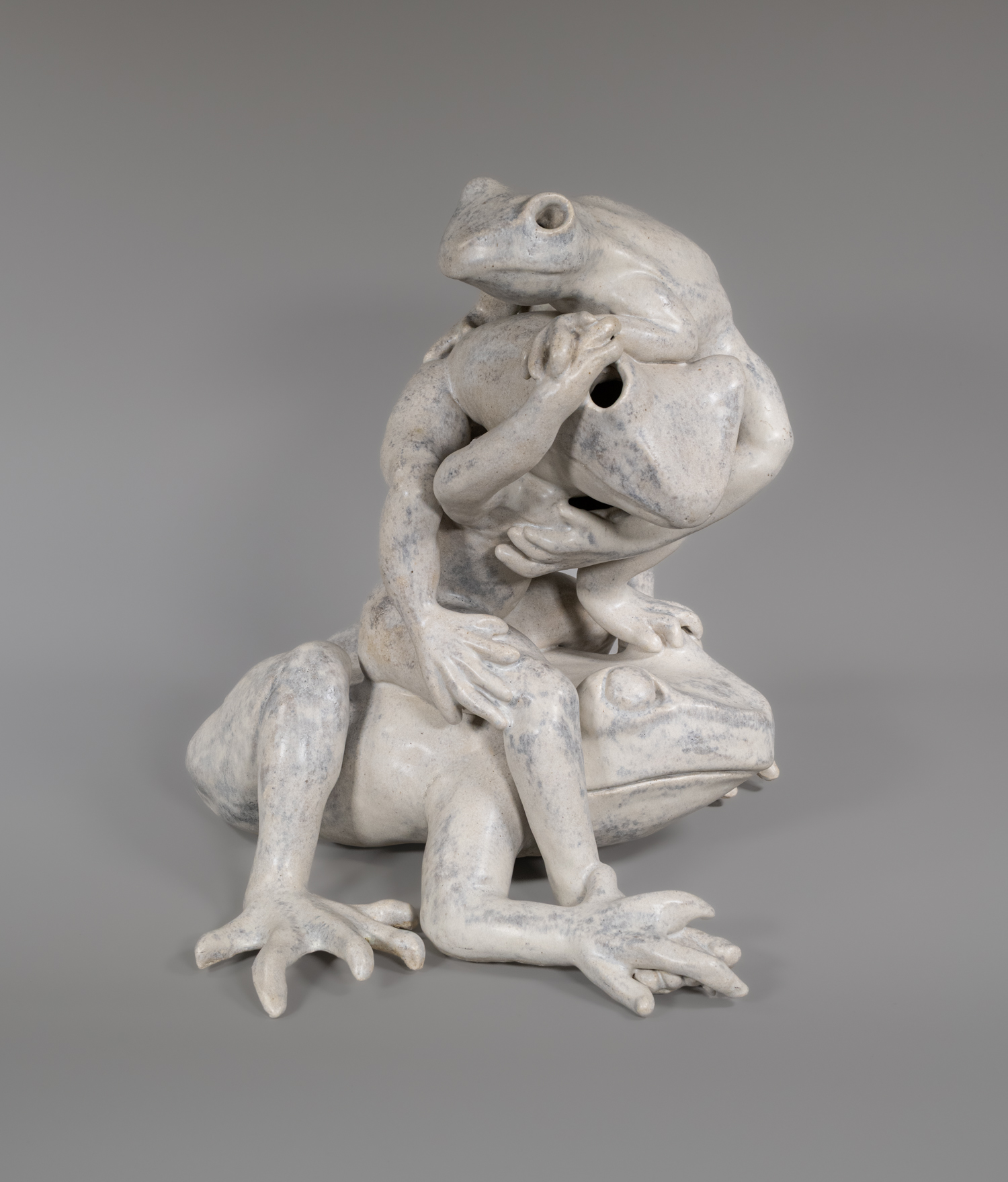
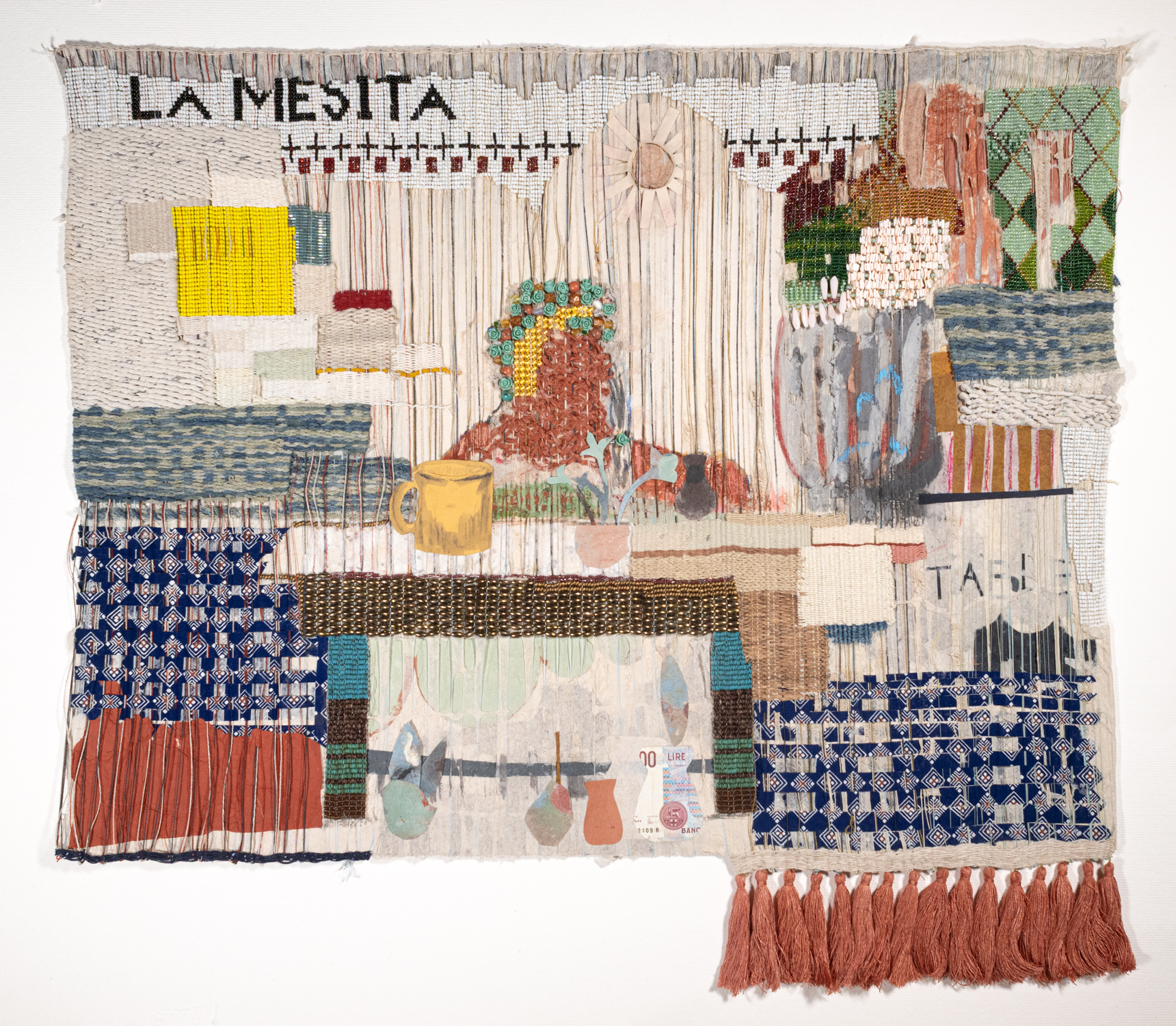
Specializing in documentation of Book Arts, Ceramics, Fiber Art, Framed Art, Glass Art, Neon Art, Public Art, Sculpture and Objects of Cultural Heritage Significance.


Billing Transparency

Billable time begins at arrival and concludes at departure. Billing includes setup, pack-up and everything between. Service includes general post-process cleanup, color correction and rescaling. For complicated setups or post processes, à la carte billing is available.
See tabs below for examples.

Out of stock

Description

Professional Site-Specific Art and Sculptural Art Documentation Photography

With nearly two decades of experience, we are meticulous and professional. We specialize in documentation photography for paintings, works on paper, framed works, fiber art, book arts, textiles, sculpture, ceramics, 3D prints, installations, public art, historical and archeological pieces, objects of Cultural Heritage significance, small figurines and toys. No project is too big or too small, whether it’s an individual piece or an entire museum collection, we approach each project with painstaking care and attention to detail.

Pricing Information

Hourly

Art with sculptural elements, surface texture, heavy facture, oversized frames, transparent or reflective surfaces, and dimensional 3D elements present unique challenges for lighting control. Therefore, all such work is billed by the hour.

Public art works often require additional considerations for time of day, time of year, weather and public interaction.

Additional Fees for specialized equipment rentals, additional crew and travel are handled on a case-by-case basis. For large scale project that require these needs, at least 50% deposit of estimated charges will be required upfront.

What You Can Expect
  • Friendly, courteous and professional service
  • Collaborative effort to ensure your work is best represented and documented to your needs and tastes
  • Care when handling your materials and working within your space
  • Meticulous attention to detail
  • Color Calibrated Process from start to finish to provide true tones and accurate color
  • Digital Capture conducted in 45 MP resolution
  • Color corrected high resolution tiff files, generally scaled to at least 8×10 at 360dpi in AdobeRGB color space
  • Color corrected .jpg files, generally scaled to at least 2500px on the long side at 150dpi in sRGB color space
  • In-person file transfer for numerous, large files. Online file transfer available for small fee
    • Online file transfer link active for 30 days after final billing
    • Fine Transfer link automatically sent upon settling final invoice
  • At no further charge:
    • DNG files available upon request
    • Full resolution .tif output available upon request
    • Additional rescaling available upon request
  • After hours service strongly recommended for busy venues
Service Area

Service area includes most of the upper Midwest: Wisconsin, Northern Illinois, Northwestern Indiana, Eastern Iowa, Upper Michigan, Lower Michigan and Eastern Minnesota. Cities include: Appleton, Beloit, Cedar Rapids, Chicago, Chicago Area, Dubuque, Green Bay, Grand Rapids, LaCrosse, Madison, Marquette, Milwaukee, Minneapolis and St. Paul, Peoria, Racine, Rockford, Sheboygan, Stoughton, Wausau and West Bend.
World-wide travel available on a case-by-case basis.

Proof of insurance available upon request.

Additional information

Options

2D, 3D, Exhibition, Performance, Other, Digital Capture, Documentation

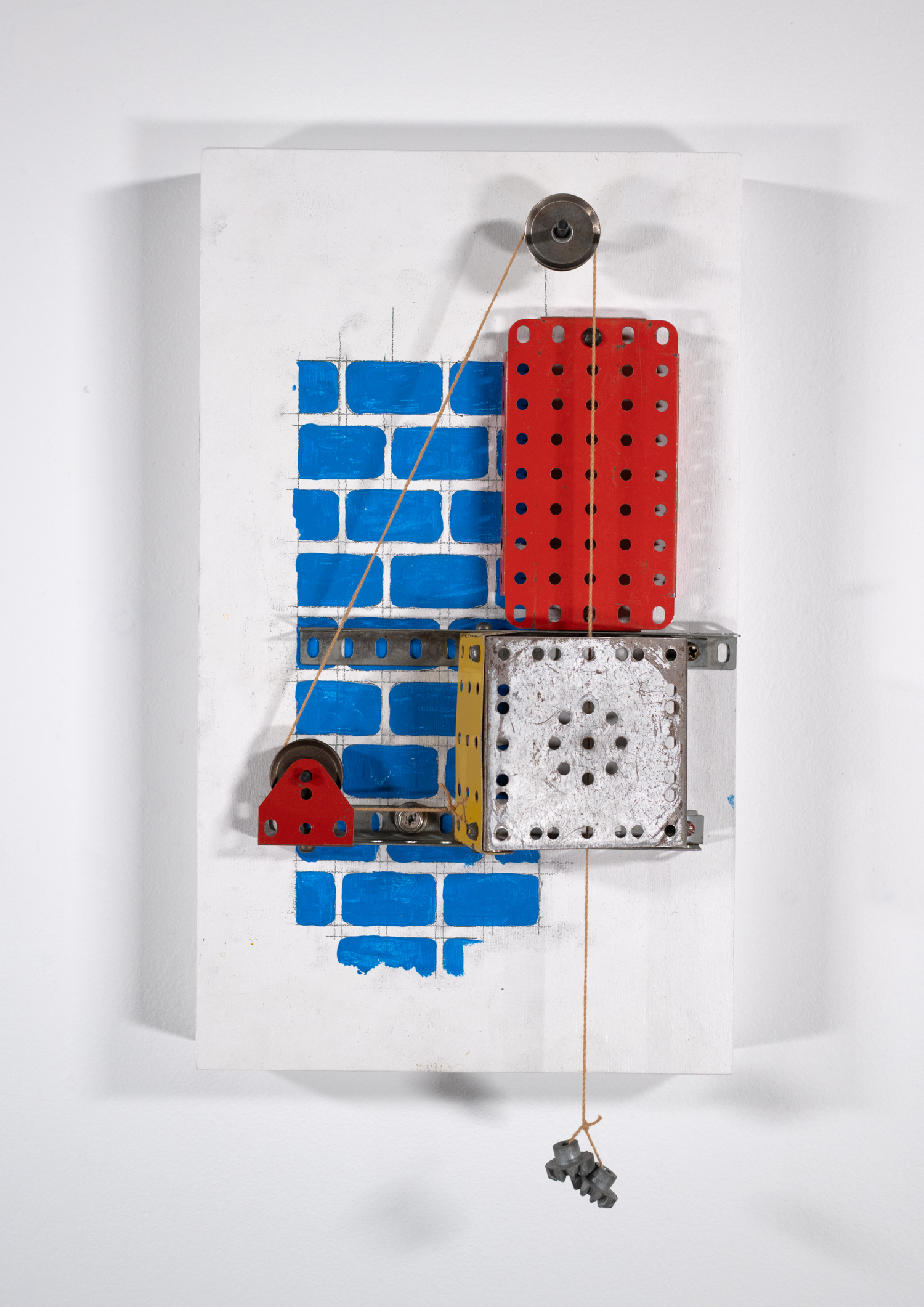
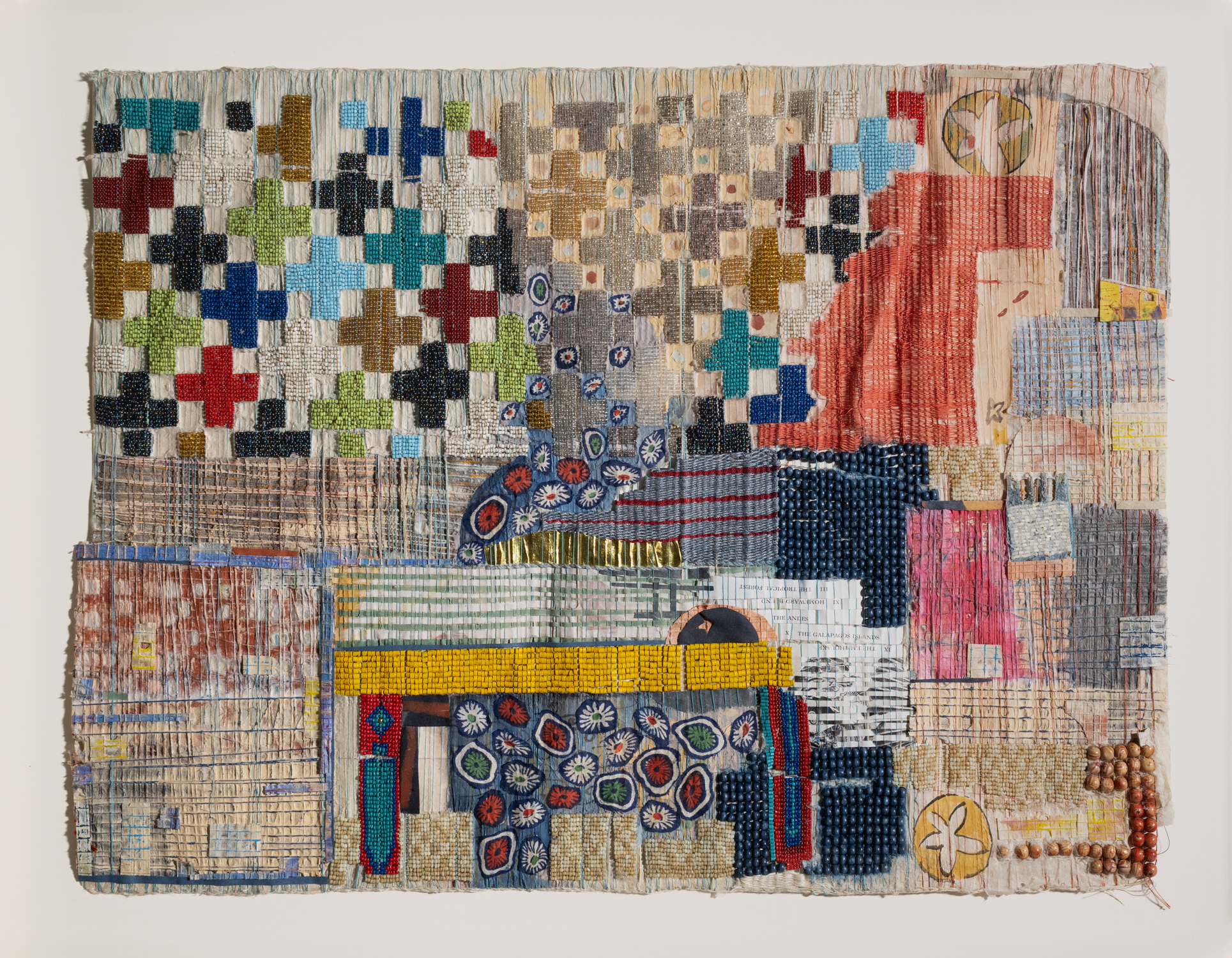
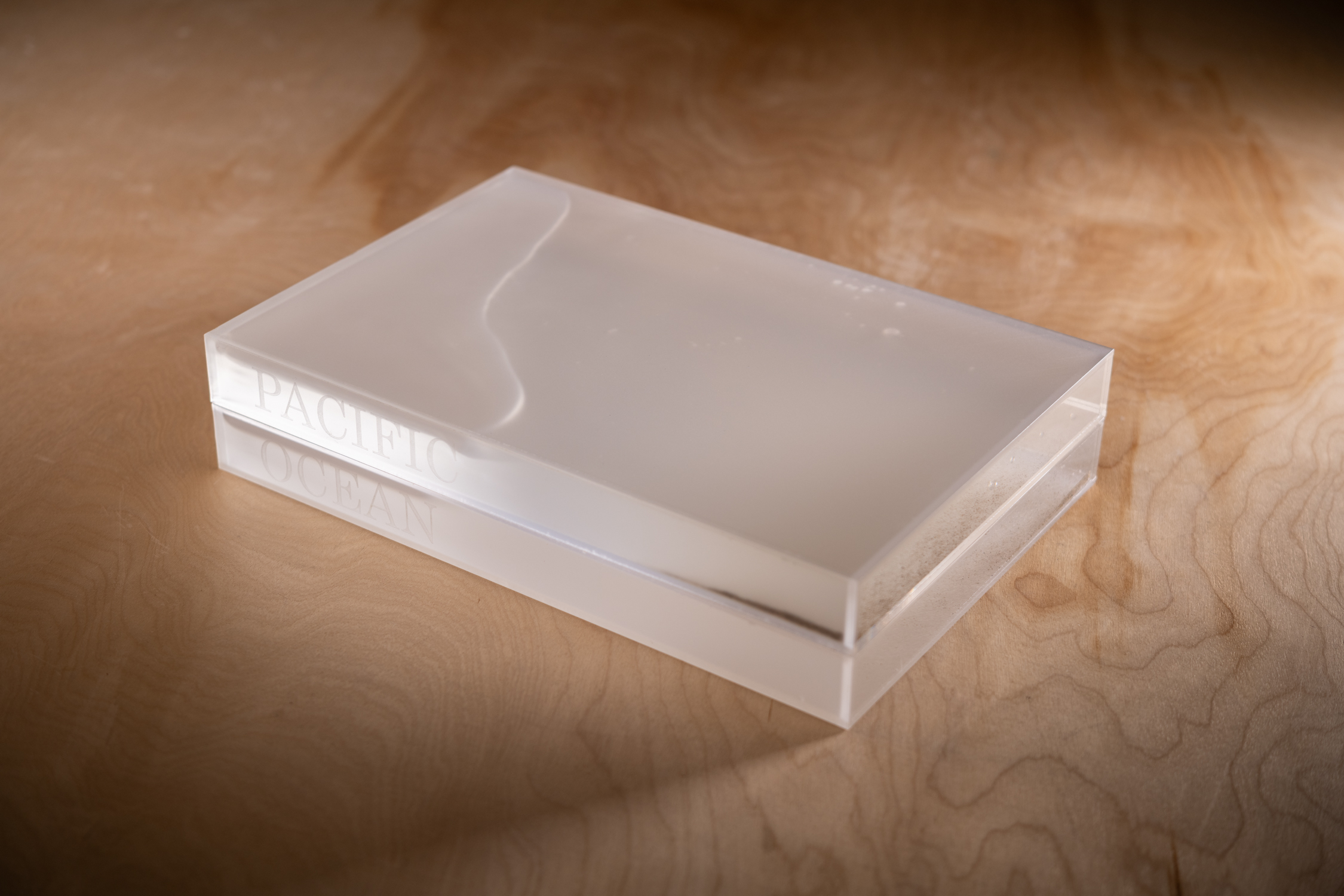
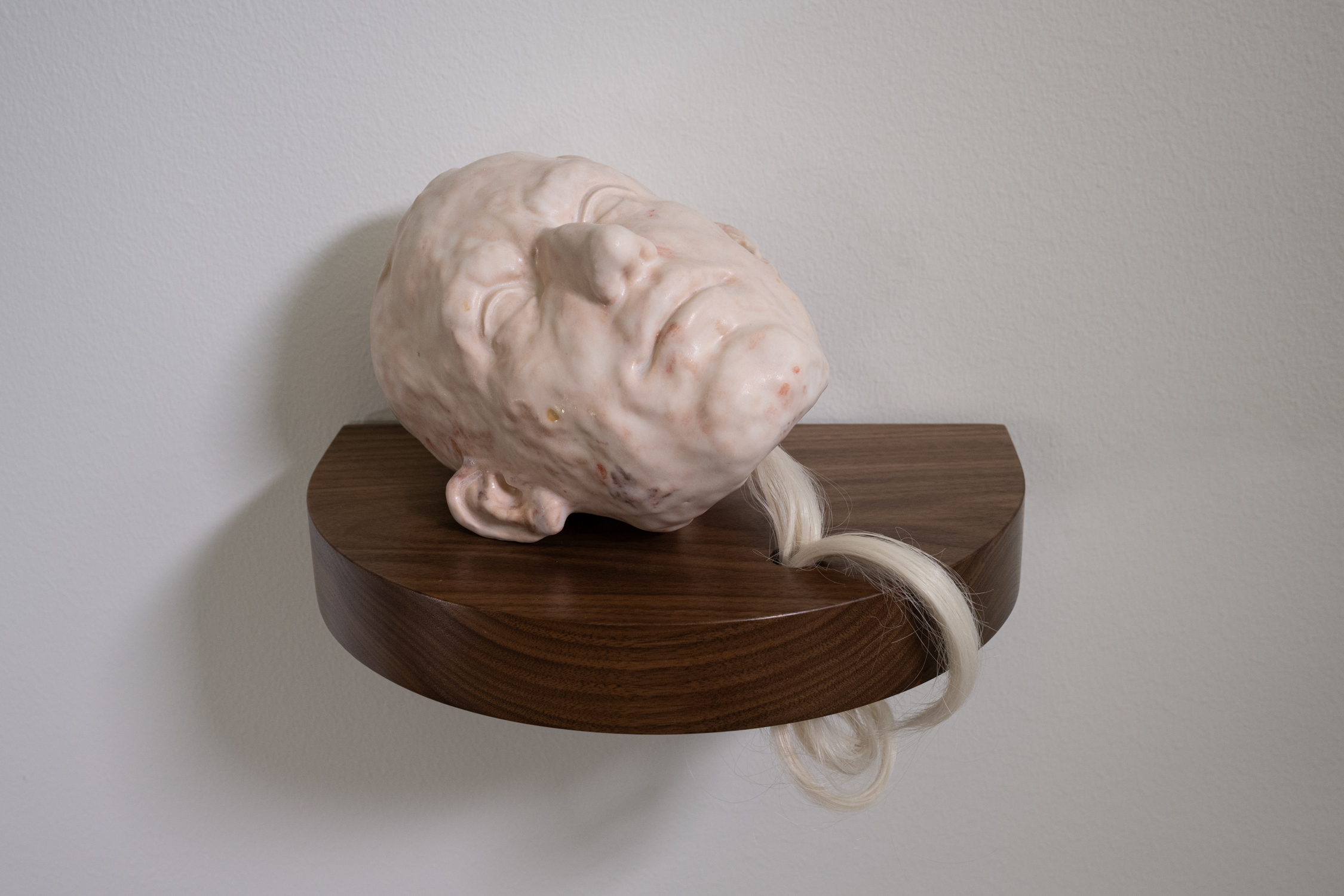
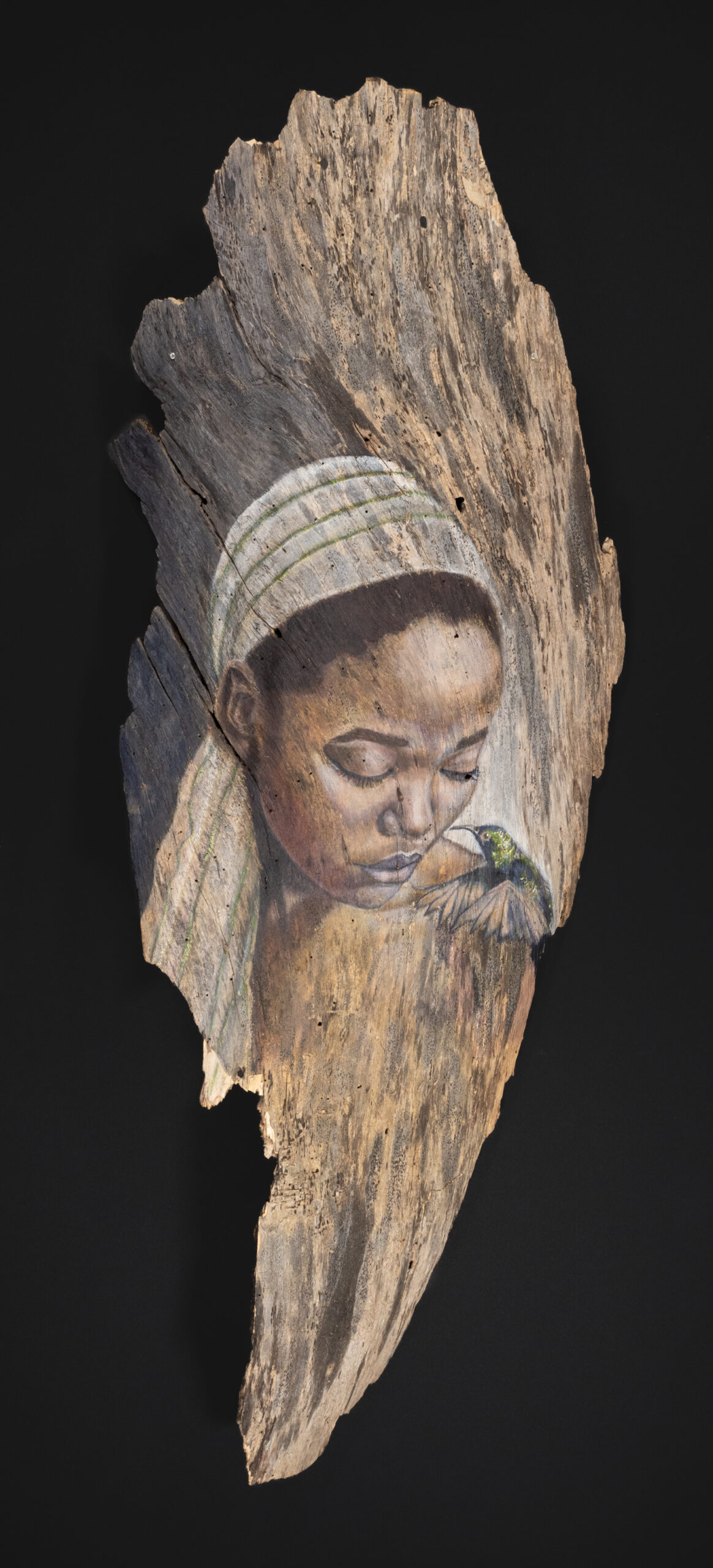
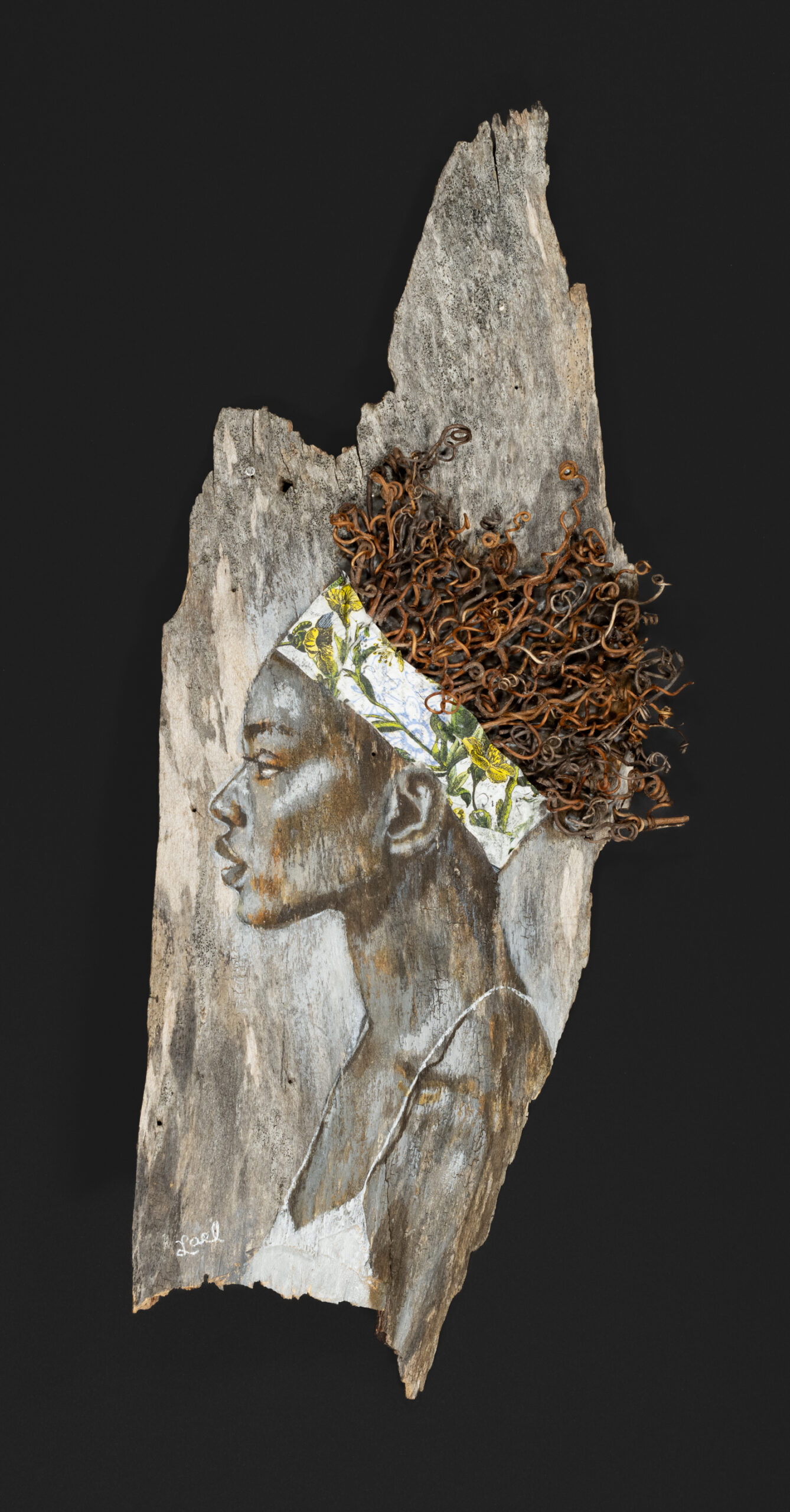
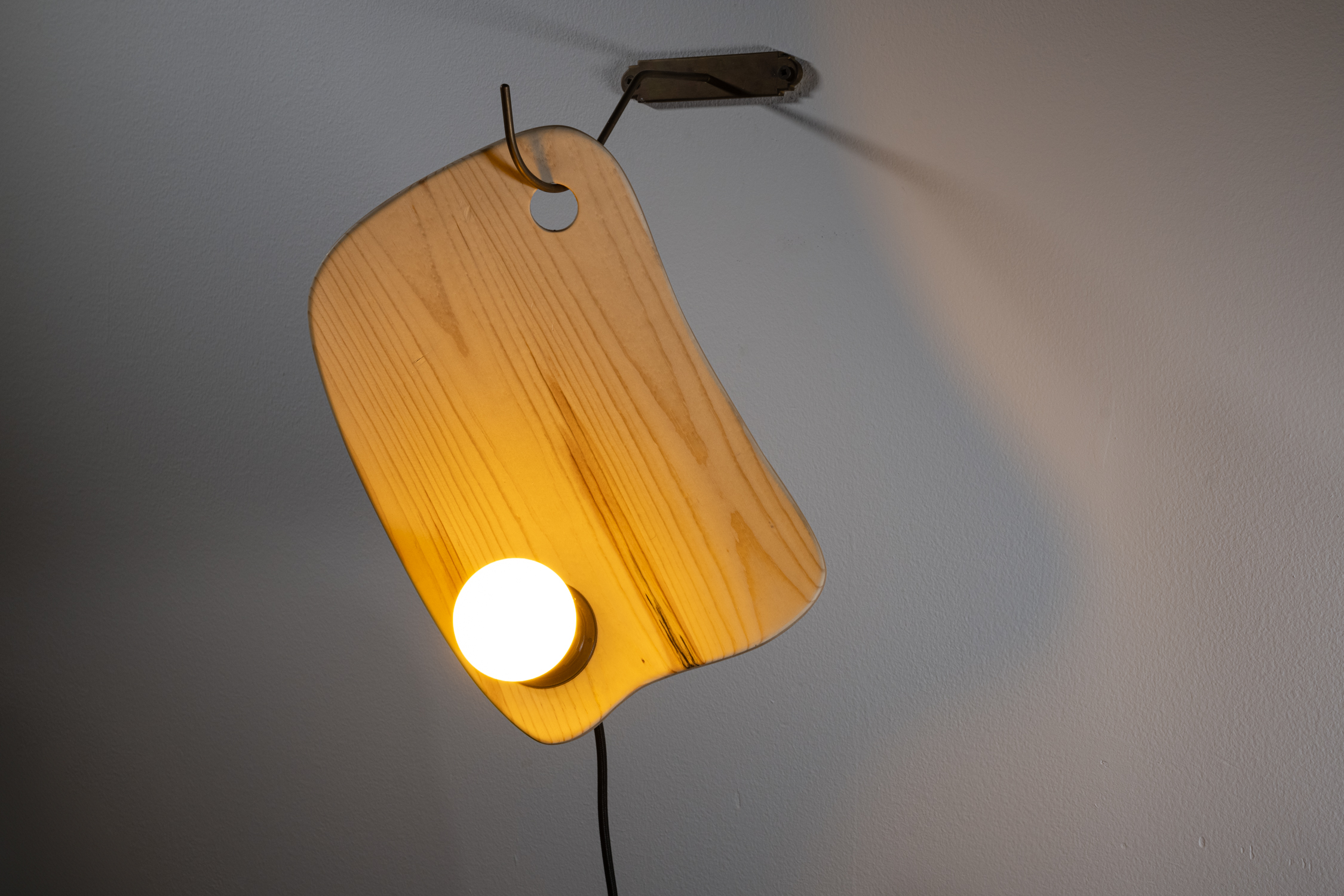
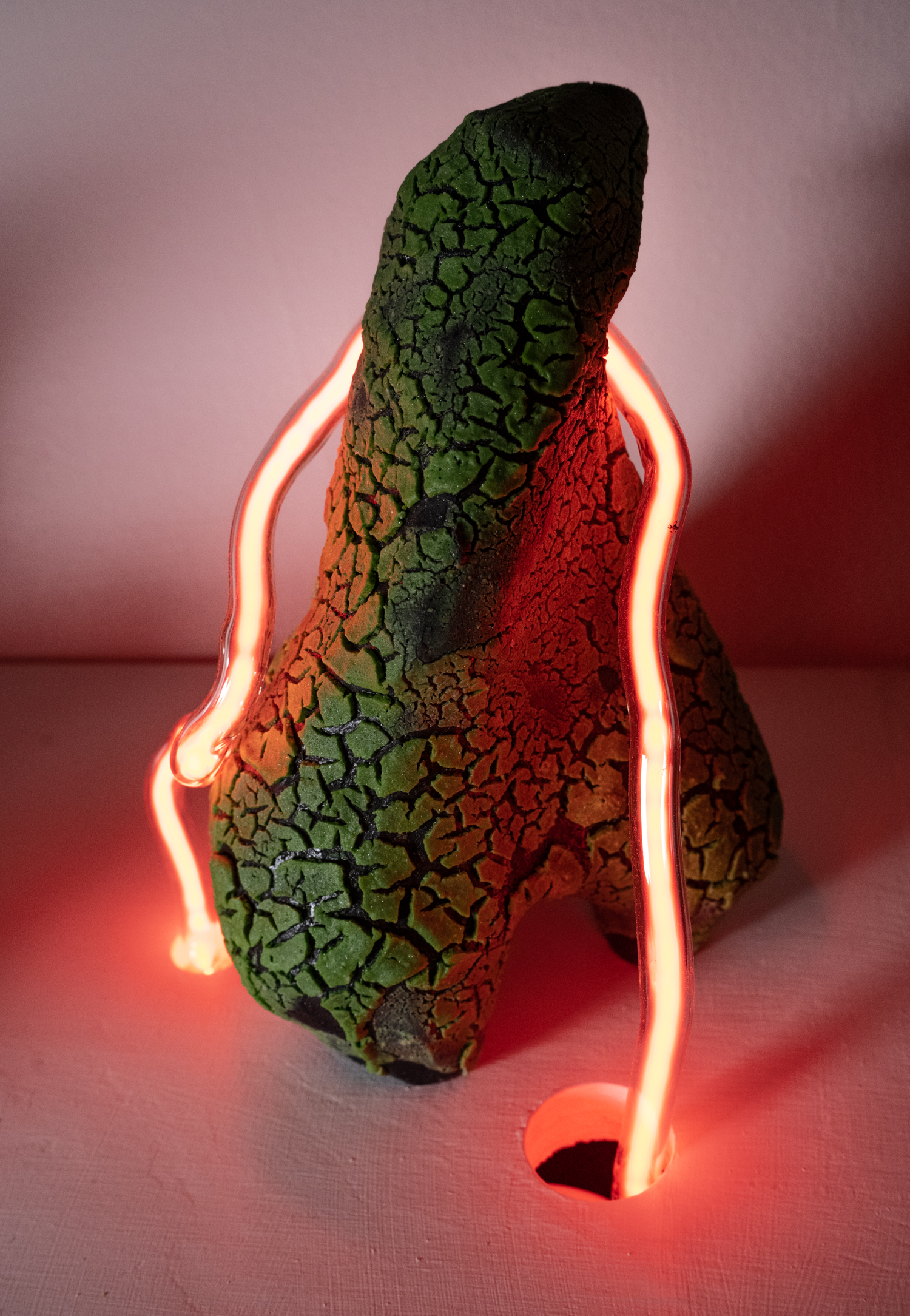
Examples: Art Documentation

Click on a picture to see the artist’s name and more information


FAQs

What is your turnaround time?

Depends on the complexity of the project and our current workload. In many cases we are able to have your images ready within a few days to a week.

My work has reflective surfaces (glass, mirrors, metal, etc). Is this a problem for you?

Generally not an issue! Photographing reflective and refractive material is a specialty for us. These materials do take additional considerations, often require specialized setups and demand more time both during the photography session and post process editing. Please be sure to specify these materials exist within the work when contacting us.

My work is framed, do I need to remove the frame?

No, or almost never. In very rare cases, if the frame had a great deal of depth (e.g. a shadow box) it might be advisable. But this is handled on a case-by-case basis.

My work is behind Museum Glass / Anti-Reflective glass or plexi. I hear this can be a problem

The coatings on museum grade anti-reflective glass and plexi (e.g Tru-Vue Optium Plexi) will cause a color shift when photographing the artwork. If your work is glazed behind Museum Glass or Optium Plexi, be sure to inform us so we can be prepared to calibrate for this.

Do I have to bring my work to your studio?

No, For small quantities of work that will transport easily, you may bring them to us. However, for larger works and large quantities, it’s often much safer for the work and less stress for you if we come to you.

My living room has a lot of sunlight… Will this work?

Ironically, no. To ensure the best results we must control the light. We have photographed artwork in barns, garages, basements, darkened studios and museums.

I want to digitize something other than art (i.e. historical documents, farm deeds, letters, old photographs, etc) is this something you can do?

Yes, we do provide this service! This is a case where it’s often best to bring such documents directly to us to work with, unless they are too precious to transport.

Can you prioritize my order?

Yes. Priority orders are subject to a 50% fee.

Do you actually wear white gloves?

This depends on your wishes. We leave the argument to the experts as to whether bare hands or cotton gloves is the best practice for handling a work of art or historic relic. If it is your policy, we wear them. Otherwise, if we need to touch a work, we opt to be sensible, utilize good situational awareness and avoid touching delicate surfaces if at all possible. We also make sure to clean, dry and keep our hands free of creams and oils as this provides the best tactile interaction (grip) with most materials while simultaneously prevents cotton fibers from being left behind.


Please view our agreement regarding the shipping, handling, processing and possession of your Media. Additionally our Terms and Conditions may be found here. Terms and Conditions and Handling of Media Agreement is subject to change without notice.


You may also like…